

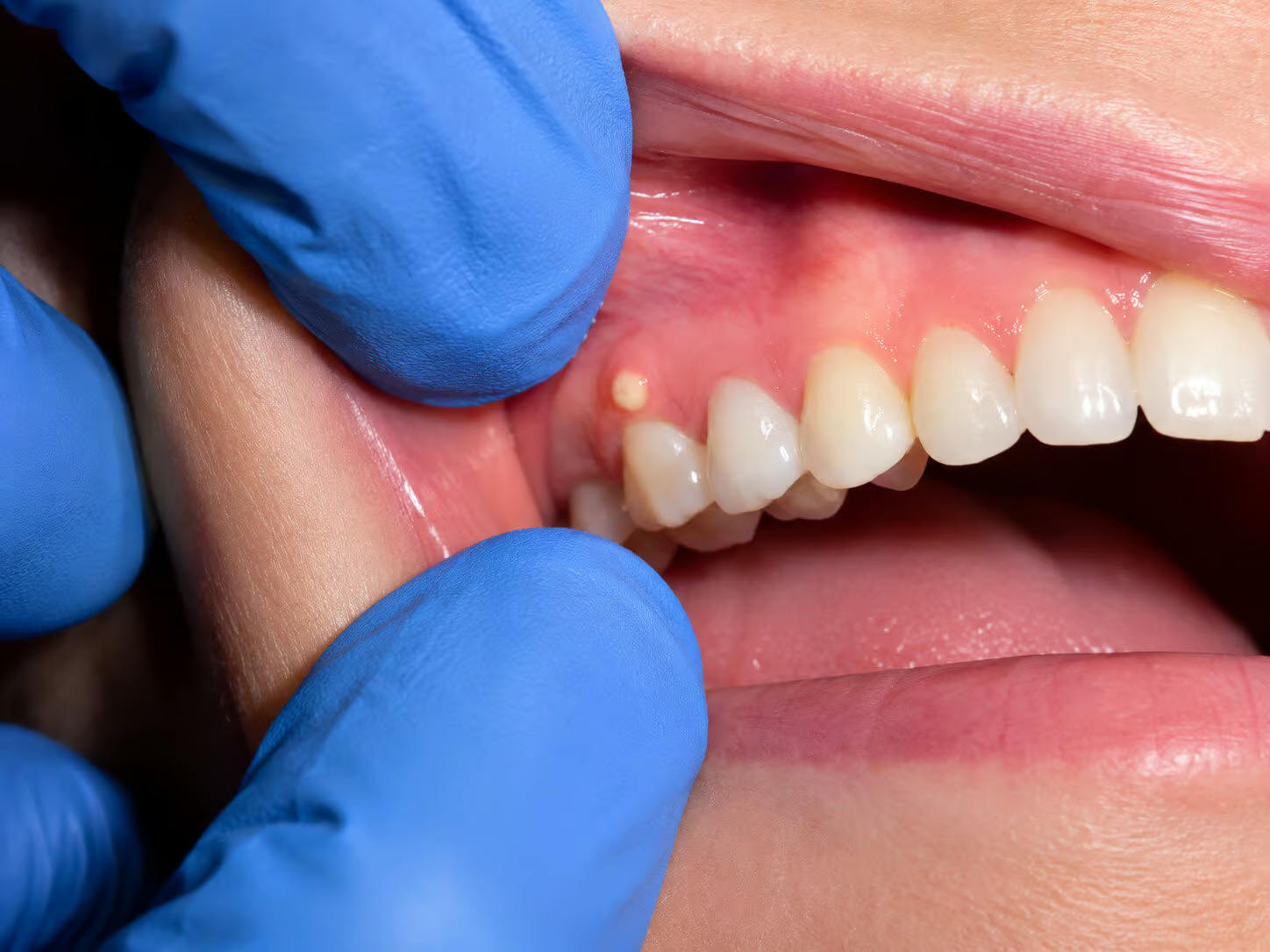
Dental abscess treatment should be done as soon as possible, because an infection inside a tooth or around the gums will not heal on its own. Pain, swelling, bad taste, or pressure in the mouth can be signs that need immediate dental evaluation.
At Virtus Dental Center, we identify the source of the infection and recommend the right treatment, whether that is root canal treatment, drainage, or tooth extraction when the tooth cannot be saved.
What Is A Dental Abscess?
A dental abscess is a collection of infection that can develop at the root of a tooth or in the surrounding gums. It is usually linked to bacteria entering through deep decay, tooth cracks, or gum disease. Over time, the infection can cause swelling and severe pain.
Sometimes an abscess develops slowly. Other times, pain appears suddenly and becomes difficult to tolerate. In both situations, a dental examination is necessary.
The most common signs are:
- Severe throbbing pain.
- Swelling in the gums or face.
- Pressure near the tooth.
- Bad taste in the mouth.
- Bad breath that does not improve.
- Pain while eating.
- Fever or tiredness in more serious cases.
When Should You Seek Urgent Help?
Some signs suggest that the infection may be spreading. In these cases, you should not wait for a routine appointment. You should seek urgent dental or medical care.
If you have facial swelling, fever, or difficulty swallowing, the situation should be taken seriously. Infections in the mouth area can spread and affect general health. The sooner treatment starts, the better the problem can be controlled.
Seek help immediately if you have:
- Swelling that grows quickly.
- Fever.
- Difficulty swallowing.
- Difficulty breathing.
- Pain that does not improve.
- General weakness.
- Swelling near the eye or neck.
How Is An Abscess Diagnosed?
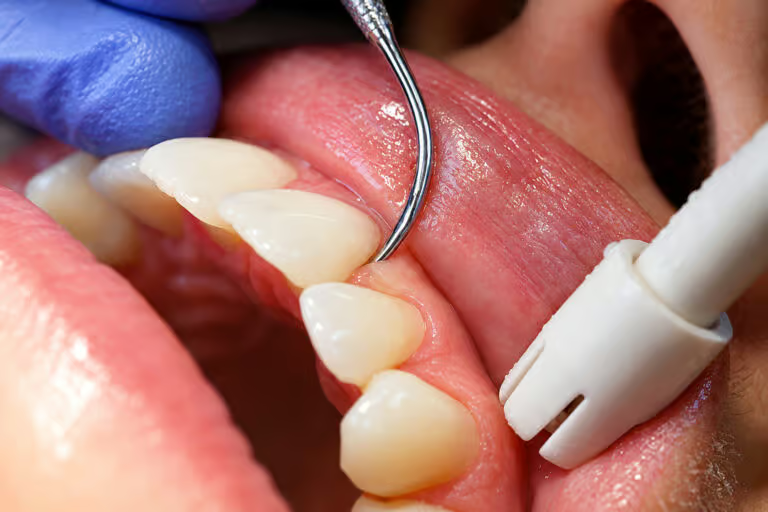
The dentist begins with questions about pain, duration, and symptoms. Then the tooth, gums, and surrounding area are examined. In many cases, an X-ray or imaging is needed to see the root and bone.
Diagnosis is not made only by looking at the swelling. The dentist must know whether the infection comes from the tooth nerve, the gums, or a severely damaged tooth. This determines the treatment.
The examination may include:
- Evaluation of pain and swelling.
- Testing the tooth response.
- Bite check.
- Dental X-ray.
- Check for decay or cracks.
- Gum and periodontal pocket evaluation.

When Is Root Canal Treatment Needed?
Root canal treatment is recommended when the infection comes from inside the tooth and the tooth can still be saved. During this treatment, the dentist removes infected tissue from inside the tooth. Then the canals are cleaned, disinfected, and sealed.
The goal is to preserve the natural tooth and remove the source of infection. After treatment, the tooth may need a filling or crown, especially if it was heavily damaged. This helps protect the tooth during eating.
Root canal treatment may be suitable when:
- The tooth has enough structure to be saved.
- The infection comes from the tooth nerve.
- The root can be treated.
- The surrounding bone can heal.
- The patient wants to keep the natural tooth.
When Is Drainage Needed?
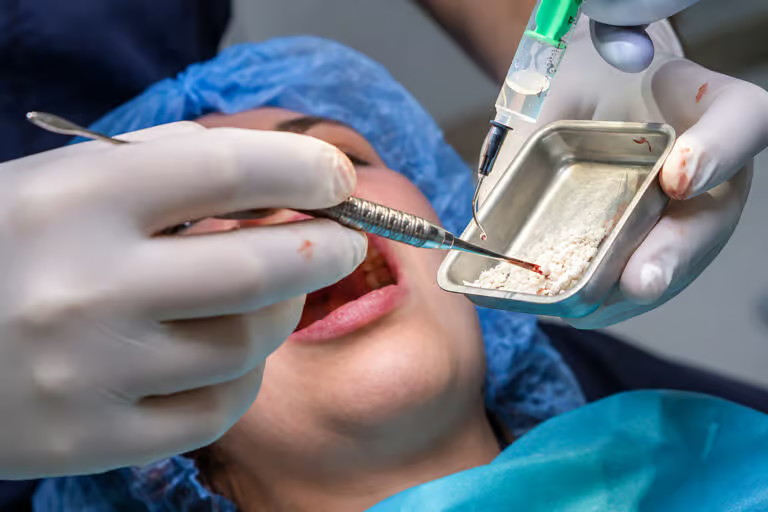
Drainage is used when a collection of infection needs to be released. The dentist creates a controlled opening to reduce pressure and swelling. This treatment may be combined with root canal treatment, periodontal treatment, or extraction, depending on the case.
Drainage is not always the final treatment. It often helps control the acute stage of infection. After that, the cause of the abscess must be treated.
Drainage may be needed when:
- There is visible swelling.
- Pressure and pain are strong.
- Infection has created a collection in the gums.
- The dentist needs to control infection before final treatment.
- The patient needs fast professional relief.
When Does The Tooth Need Extraction?
Tooth extraction is recommended when the tooth cannot be saved. This may happen when decay is too deep, the root is fractured, or the surrounding bone is severely damaged. In these cases, keeping the tooth may not be safe.
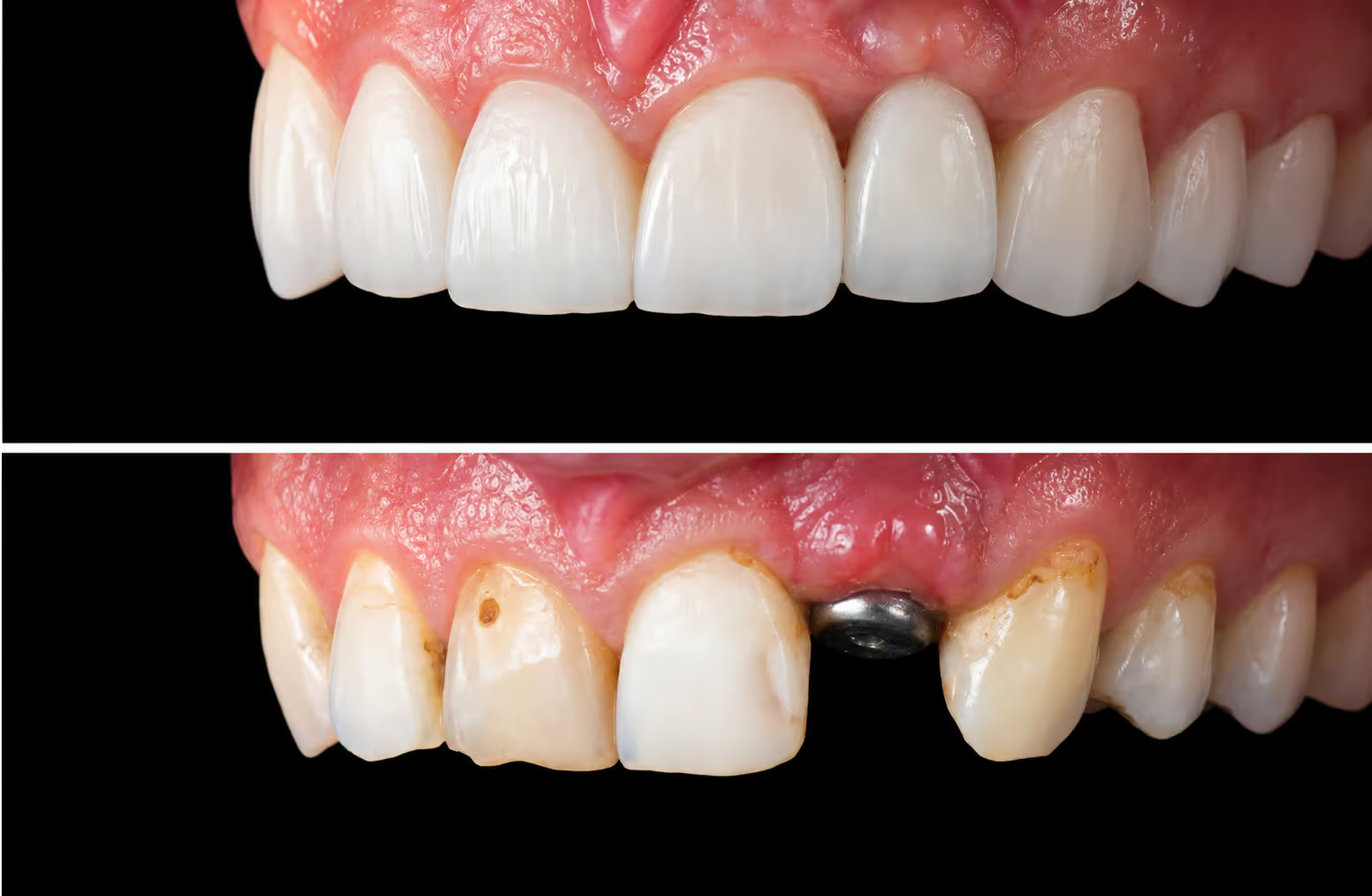
Extraction is not a failure of treatment. Sometimes it is the best way to remove an infection and protect the patient’s health. After healing, tooth replacement with an implant, bridge, or another treatment can be discussed.
Extraction may be necessary when:
- The tooth is badly damaged.
- There is a deep root fracture.
- The infection keeps returning.
- Bone support is very weak.
- The tooth cannot be restored with a crown.
Contact Us: Do Not Delay Abscess Treatment
If you suspect a dental abscess, contact Virtus Dental Center as soon as possible. Pain may be the first sign, but the infection may be deeper. We help you understand whether you need root canal treatment, drainage, or tooth extraction.
Contact us today for:
- Urgent evaluation for dental abscess treatment.
- Check for pain, swelling, and infection.
- X-rays and professional diagnosis.
- Treatment to save the tooth when possible.
- Oral surgery when the tooth cannot be saved.
- Implant or crown planning after healing.
- Fast communication through WhatsApp.
- Professional care in Tirana.
- Clear instructions for every treatment stage.
Do not wait for the infection to spread. Book your visit at Virtus Dental Center and receive the right treatment at the right time.






 English
  Italian
  Albanian
  French