

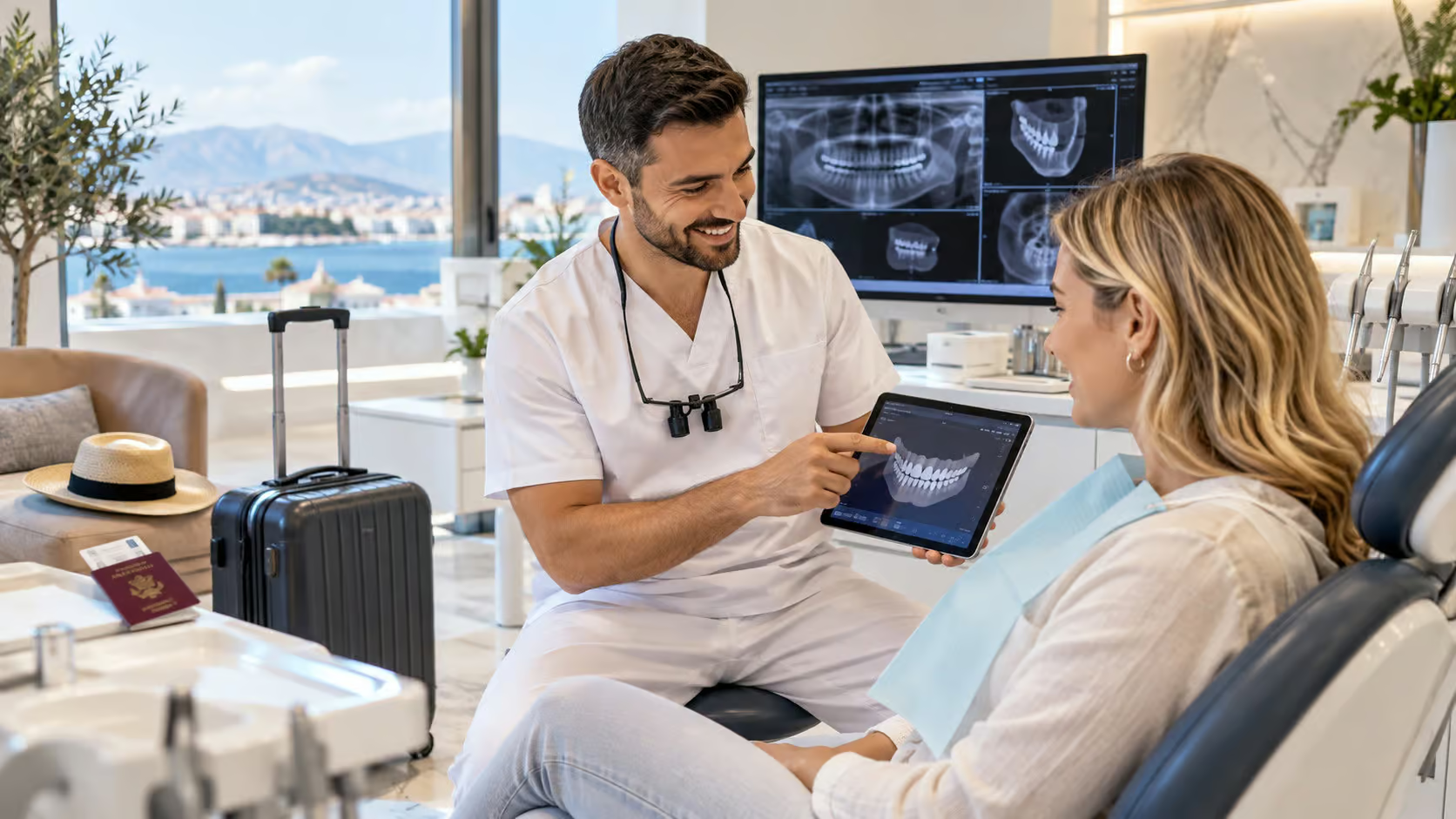
Choosing a dental clinic in Albania involves more than finding an appealing website or a convenient flight. If you are travelling from another country, these ten checks will help you understand the treatment, organize your visit, and know what happens after you return home.
1. Confirm The Clinic’s Identity And Registration
Start with information you can verify independently: the clinic’s name, street address, contact details, and professional registration requirements in Albania. A genuine physical location and responsive contact channels make it easier to identify who will be responsible for your care.
Virtus Dental Center is located at Rruga Teodor Keko, Pll 29, 1027 Tirana. Our official contact page includes the address and a map link, so you can check the location before arranging travel.
Ask the clinic how you can verify its authorization and the professional registration of the clinicians involved. Confirm that the address is a treatment location rather than only a booking office, and keep its details with your travel documents.
2. Check That The Clinic Offers The Care You Actually Need
A long treatment menu does not mean every option suits your mouth. Begin with the problem you want to solve, whether it involves a missing tooth, damaged restorations, gum health, or crooked teeth.
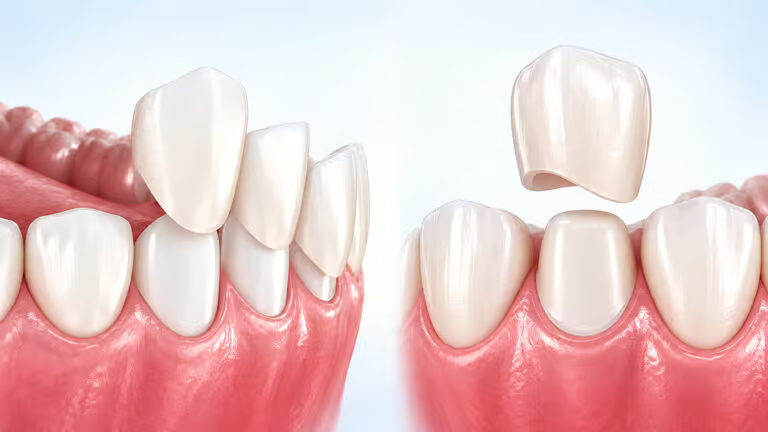
At Virtus, our published services include dental implants, crowns, veneers, orthodontics, and oral surgery. If several problems are connected, our full-mouth rehabilitation page explains the broader treatment approach.
The right recommendation still requires a clinical examination, not just a service description. Compare the treatment pages with the problems you actually have, instead of assuming that a more complex procedure will necessarily offer a better result.
3. Find Out Who Will Manage Each Part Of Your Care
An international patient may communicate first with an administrator, then meet more than one dental professional. Ask which clinician will assess the case, who performs each procedure, and who makes decisions if the plan needs changing.
Different treatments require different training and responsibilities. You do not have to judge expertise from promotional language alone; ask about relevant qualifications, professional registration, and experience with the proposed procedure.
For treatment involving surgery and laboratory-made teeth, clarify how clinicians coordinate their decisions and who checks the finished restoration. The General Dental Council’s overseas-care advice recommends asking these questions before treatment abroad.
4. Understand What An Online Assessment Can Tell You
Sending information ahead can make the first conversation more productive. The clinic may request your medical history, photographs, or existing X-rays to understand your concerns and identify which examinations could be needed.
Virtus provides a contact form where patients can upload dental images. However, photographs cannot establish the condition of your jawbone, hidden decay, or the health of every tooth.
Ask how your records will be handled and remember that a proposed plan may change after an examination and appropriate imaging in Tirana. Send sensitive health information through the clinic’s approved channels, not in public social-media comments.
5. Ask For A Written Plan That Explains The Alternatives
Before agreeing to treatment, you should understand which teeth are being treated and why. A written plan should distinguish necessary care from optional cosmetic changes, explain reasonable alternatives, and identify any teeth that may be preserved.
For example, a heavily damaged tooth might need assessment for restoration or root canal treatment before extraction is considered. Replacing maintainable teeth with implants should not be treated as an automatic shortcut.
Ask the treating team to explain the expected outcome, meaningful limitations, and what would lead them to revise the plan. Check the sequence too: active gum disease, for example, may need treatment before certain restorative procedures.
6. Check The Number Of Visits, Not Just The Procedure Date
A short flight does not mean a complex procedure has a short biological healing period. Dental crowns may need preparation and fitting appointments, whereas implant treatment can involve surgery, healing, and placement of the final restoration at separate times.
If temporary teeth are offered soon after implant placement, ask when the definitive teeth will be fitted. Temporary restorations and fully healed implants are not the same thing.
Before booking return travel, confirm how many visits are anticipated, which stages require your presence, and what could extend your stay. If you are taking leave from work, allow for a possible review appointment before departure.
7. Ask About Infection Prevention And Medical Safety
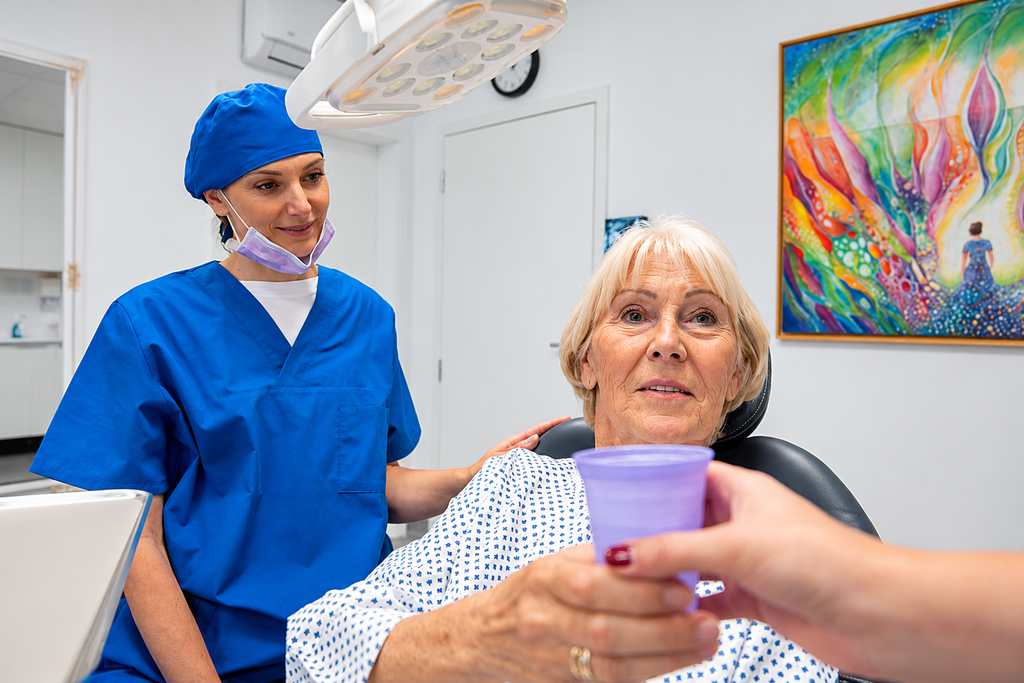
Look beyond photographs of bright treatment rooms. Ask how instruments are sterilized, how surfaces are cleaned between patients, and what protocols are used to manage complications during treatment.
Safety planning also starts with your health history. Tell the dental team about allergies, medicines, chronic conditions, smoking, and previous surgery or anaesthesia.
These details can affect treatment decisions and should be discussed before your clinical appointment rather than discovered on the day of a procedure. If your case requires special medical monitoring, clarify what arrangements are available before committing to treatment.
8. Verify Exactly What Travel Assistance Includes
International treatment involves practical decisions outside the dental chair. You may need help coordinating flight dates, accommodation, transport to the clinic, and time between appointments.
Our dental tourism service describes assistance with flights, accommodation, and clinic transfers. Before making reservations, ask which arrangements our team will organize directly and which you must arrange yourself.
Keep your travel schedule flexible until the clinical timetable has been discussed, particularly if surgery is planned. Also confirm arrival instructions and whom you should contact if your flight is delayed or an appointment changes.
9. Make Sure You Understand The Plan In Your Language
Good communication is especially important when medical explanations happen in another country. Ask which languages are available for consultations, consent forms, aftercare instructions, and conversations about unexpected changes.
Before signing anything, you should be able to explain the proposed procedure in your own words and ask questions without rushing. Request written explanations for unfamiliar technical terms.
You should have enough time to consider an irreversible procedure or seek an independent opinion, without feeling rushed into a decision. You can also review our guide to recognizing a suitable dentist in Albania for additional clinical questions to raise during a consultation.
10. Clarify Follow-Up Once You Are Back Home
Aftercare may continue long after the flight home. Ask when you should have your next check-up, who will answer questions about symptoms, and when an in-person examination is more appropriate than a message or photograph.
At Virtus, we provide follow-up consultations, post-treatment instructions, and remote communication for international patients. Before leaving, request copies of relevant imaging, treatment records, and information about any implants or restorations used.
Sharing these with your regular dentist can make future maintenance and urgent local care easier to arrange. Remote advice is useful for initial guidance, but new swelling, significant pain, or a loose restoration may need prompt in-person attention.
Frequently Asked Questions
Can I contact a dental clinic in Albania before having new X-rays?
Yes, you can make an initial enquiry without arranging imaging first. Explain your concern and share any existing records; the dental team can advise what additional information may be useful before assessing treatment options.
Should I arrange a dental check-up in my home country first?
It can be helpful, particularly if you have ongoing treatment or a complicated dental history. Your regular dentist may identify urgent problems, provide previous records, and discuss whether any care needs attention before you travel.
Will I need a visa to travel to Albania for treatment?
Entry requirements vary according to your nationality, passport, and travel circumstances. Check official Albanian entry guidance and any requirements applying to your citizenship before purchasing travel tickets; a dental appointment does not replace immigration permission.
Does travel insurance cover planned dental treatment abroad?
Ordinary travel insurance may exclude elective or planned dental procedures and complications connected with them. Read the policy conditions carefully and ask your insurer directly what is covered before arranging the trip.
Can I explore Tirana during my dental visit?
That depends on your treatment and how you feel afterward. A simple appointment may allow normal activities, while surgery can require rest and restrictions; follow the treating clinician’s instructions rather than scheduling a demanding itinerary.
🦷 Contact Us Before Your Dental Trip
Planning treatment from another country can raise questions about appointments, records, and travel dates. Contact Virtus Dental Center to discuss what information our team needs for an initial review and how to organize the next step.
- 📧 Email: info@virtus.al
- 📞 Telephone: +355 69 27 111 66
- 📍 Location: Rruga Teodor Keko, Pll 29, 1027 Tirana, Albania


 English
 Italian
 Albanian
 French