

Your treatment journey does not end when your flight from Tirana lands in Italy. Whether you receive dental implants, veneers, crowns, or orthodontic care, knowing what to do at home is part of a responsible treatment plan.
At Virtus Dental Center, we want international patients to understand the next steps before leaving the clinic. The right aftercare depends on your procedure, your oral health, and whether additional visits are required.
Before You Leave Albania: Get a Clear Aftercare Plan
Ask your dentist for written instructions that describe what to expect, which activities to avoid, and when to seek help. Instructions should be specific to your treatment rather than a generic checklist.
Before travelling home, make sure you can answer these questions:
- Who should I contact if I notice unexpected symptoms after arriving in Italy?
- When is my next clinical review, and does it need to be in person?
- Which symptoms are expected, and which require prompt attention?
- Are any temporary restorations or additional treatment stages involved?
Keep Copies of Your Dental Records
Your treatment records make future communication easier, particularly if you need an examination by a dentist in Italy. Ask for copies of relevant radiographs, the treatment summary, and information about the restorations used.
For dental implants, record the implant brand, model, and relevant component details when available. This information can help a future clinician understand your restoration without guessing which system was used.
The First Days at Home: Follow Your Procedure-Specific Instructions
Recovery is different for a surgical implant procedure and a non-surgical cosmetic treatment. Do not assume another patient’s recovery timeline will apply to you.
After surgery, mild swelling or discomfort may occur, but the treating dentist should explain the expected pattern and the signs that need assessment. Follow the prescribed hygiene and medication instructions, and do not change them without professional advice.
If you are wearing aligners, continue the planned wear schedule and cleaning routine. Do not move to a different tray simply because you are away from the clinic; contact the treating orthodontic team if an aligner no longer fits.
What Symptoms Should Prompt You to Seek Help in Italy?
Your treating dentist should tell you what is normal for your specific procedure. Nonetheless, certain changes require prompt assessment rather than waiting for your next planned trip to Albania.
Seek urgent dental or medical help locally if you experience severe or worsening pain, heavy bleeding that does not settle, spreading swelling, fever, difficulty swallowing or breathing, or other rapidly worsening symptoms. Breathing difficulty or severe swelling is a medical emergency.
Also arrange a clinical check for a fractured temporary tooth, loose implant-supported component, damaged veneer, or a bite that suddenly feels different. A remote photograph can help explain the problem, but it cannot replace an examination when one is needed.

Can Virtus Help You After You Return to Italy?
Follow-up communication matters when patients live abroad. Our team can discuss concerns, review the information you send, and advise whether your situation should be assessed remotely, at a planned return visit, or by a dentist near you.
Remote support has limits: a message or video call cannot confirm every cause of pain, check gum pockets, or repair a restoration. We encourage patients to seek timely in-person care in Italy if the symptoms call for it.
For information about treatment planning and travel coordination, visit our dental tourism in Albania service page or contact Virtus Dental Center directly. It is best to establish how to reach the clinic before returning home.
Dental Implants: Why Follow-Up Is Particularly Important
Dental implants involve healing of the tissues around the implant and, in many cases, further restorative stages. The interval and number of visits depend on bone conditions, the procedure performed, and the clinical plan.
Patients who receive dental implants in Albania should understand whether they have a provisional restoration, when the final prosthesis will be considered, and how the implant area should be cleaned. These decisions cannot be reduced to the same timetable for every patient.
For full-arch care such as All-on-4 in Albania, ask about cleaning beneath the fixed prosthesis, bite reviews, and maintenance visits. Even a stable implant-supported bridge needs professional monitoring over time.
Veneers and Crowns: Protect the Results Back Home
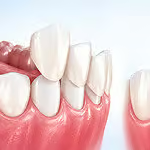
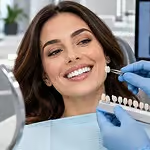
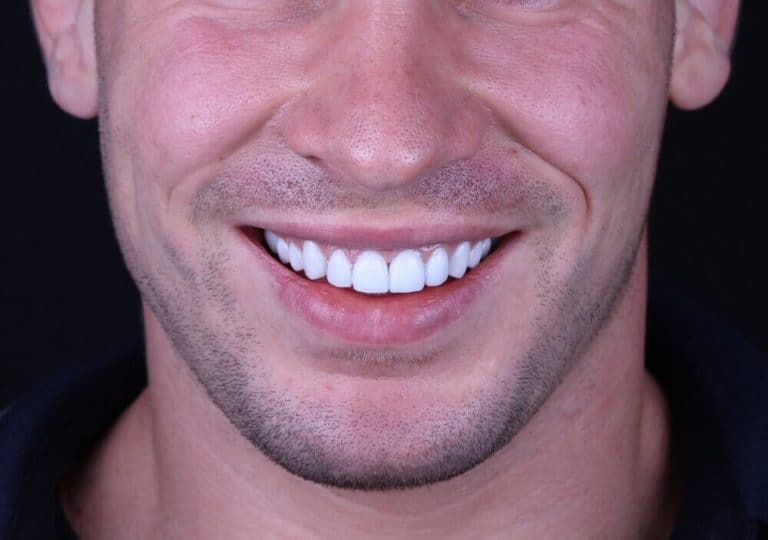
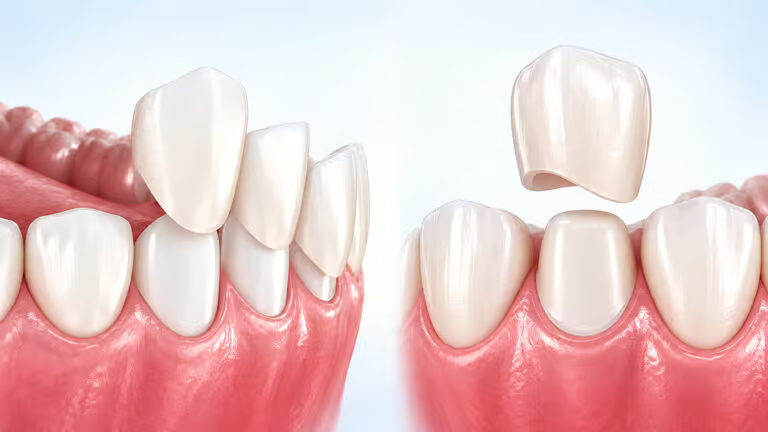
Cosmetic and restorative work requires ongoing care just like natural teeth. Gentle daily cleaning, regular dental assessments, and attention to grinding or biting habits can help protect the restorations.
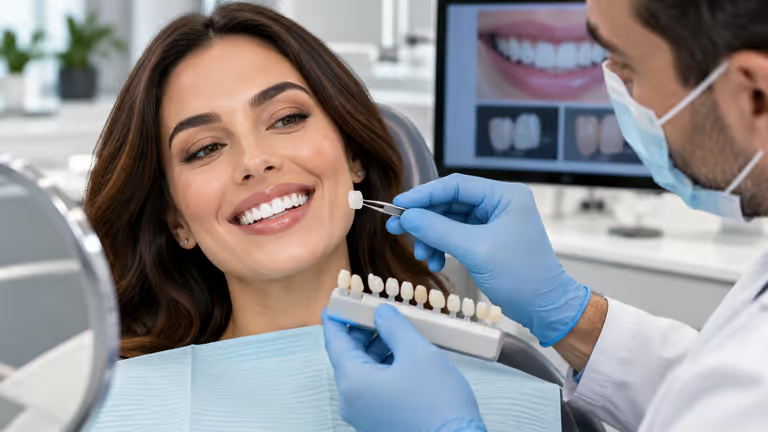
After dental veneers in Albania, follow the clinician’s guidance about avoiding excessive force and about the type of cleaning tools appropriate for your restoration. Contact a dentist if the edge lifts, the tooth becomes painful, or the bite feels uneven.
Invisalign Patients: Your Treatment Continues in Italy
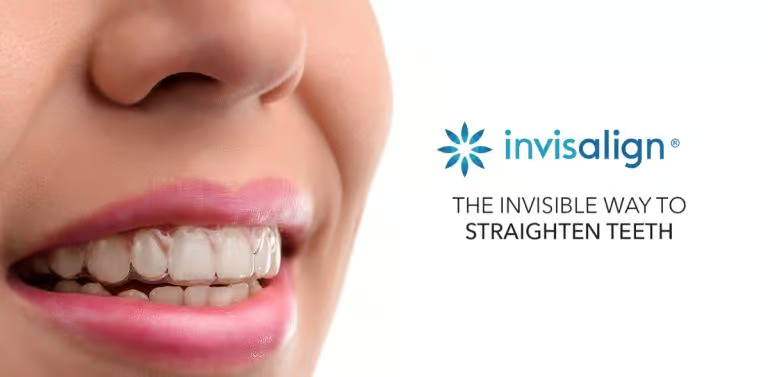
Patients undergoing Invisalign in Albania perform much of their daily aligner routine at home. Even so, planned checks remain important because tooth movement and gum health should be monitored by a clinician.
Before leaving, clarify which aligner comes next, what to do if one breaks or is lost, and when an in-person visit is expected. Retainers and long-term maintenance should also be discussed before active treatment is complete.
Working With a Dentist Near Your Home in Italy
A local dentist can be a valuable part of your long-term maintenance, especially for routine cleaning and urgent examinations. Bring your treatment summary and relevant records so that the clinician has context.
Not every follow-up requires a flight, and not every concern can be resolved remotely. The sensible choice depends on what the problem is and which clinical examination or procedure is needed.
Plan Return Visits Before You Book Your Journey
Some dental treatments can be completed in one visit, while others require stages separated by healing or orthodontic progress. Ask for a realistic outline of your expected appointments before making non-refundable travel plans.
If your plan changes during treatment, the recommended visit dates may change as well. Clear communication is more useful than promising that every patient’s care will follow identical dates.
Frequently Asked Questions
Can I Have a Dental Check-Up in Italy After Treatment in Albania?
Yes. A dentist in Italy can provide local examinations and routine care, particularly when you share the records and treatment details supplied by the treating clinic.
What If I Have Pain After Returning Home?
Contact your treating team for guidance, but seek an in-person assessment promptly if pain is severe, worsening, or accompanied by concerning symptoms. Do not delay urgent care while waiting for an online response.
Do I Need to Return to Albania for Every Implant Review?
Not necessarily. The answer depends on the stage of your implant treatment, the work that needs to be done, and the findings of any local examination.
Can a Video Call Replace a Dental Appointment?
A video call can support communication and help determine next steps. It cannot replace clinical examination, imaging, or treatment when these are necessary.
What Information Should I Take Home After My Treatment?
Keep written aftercare instructions, the treatment summary, available radiographs, and details of implants or restorations. Also keep the clinic’s contact information and your proposed follow-up schedule.
Plan Your Dental Care Beyond the Flight Home
At Virtus Dental Center, we consider aftercare part of the conversation from the first consultation. We help patients understand the treatment stages, the importance of regular maintenance, and what to do if questions arise after returning to Italy.
Considering dental treatment in Tirana? Contact our team to discuss your needs, travel plans, and the follow-up approach appropriate for your case.


 English
 Italian
 Albanian
 French