


Sinus lift is a common procedure performed before the placement of dental implants when there is not enough bone in the upper jaw. This technique helps create enough space and support necessary for the implant.
At Virtus Dental Center this treatment will be performed by experienced dental professionals and modern technologies. Its goal is to create a strong and stable base for the long term success of dental implants.
What Is A Sinus Lift?
Sinus lift is a surgical procedure that aims to add bone mass on the upper area of the jaw, usually on the back teeth. This happens when the bone mass is not sufficient to support a dental implant, usually due to tooth loss or natural bone loss that occurs over time.
During this procedure, the dental surgeon will lift the maxillary sinus membrane and place the bone grafting material beneath it, creating a strong base for the implant later on. This technique is safe and effective and will significantly increase the implant success in areas where this was not possible.
Why Is Sinus Lift Necessary Before Implant Placement?

Dental implants require a specific amount of bone mass for safe and effective support. In the back area of the upper jaw, bone mass is usually insufficient or weak due to proximity to the sinus cavity and bone loss after tooth extraction.
In these cases, sinus lift is necessary to add bone volume and to create a stable base for the implant placement. Without this additional procedure, the implant will risk not proper integration or implant failure. This procedure significantly increases the success and longevity of implant treatment.
Causes Of Bone Loss In The Upper Jaw
One of the most common cases of bone loss is not replacing missing teeth for a long time. When a tooth is missing for a long period of time, the bone that surrounds it will start to recede due to the loss of natural stimuli that comes from chewing.
Periodontal illness is another important factor that can lead to bone loss in the upper jaw area. In some cases, this will also come as a result of dental trauma, chronic disorders, or natural jawbone structure, which is weaker near the sinuses.
Also, as we grow older, the natural bone resorption process is inevitable, especially when natural teeth are missing.
Who Is A Suitable Candidate For This Procedure?

Sinus lift is recommended for patients who don’t have sufficient jawbone on the upper area to support dental implants. This procedure is especially suitable for patients who have lost their back teeth for some time, have undergone bone resorption or have a naturally thin jaw structure.
Clinical and radiographic examination at Virtus Dental Center is essential for deciding whether this treatment is necessary or not.
Suitable candidates are:
- People with severe bone loss in the upper jaw area.
- Patients who need dental implants but don’t have enough bone mass.
- People who have good general health and don’t suffer from any uncontrolled illnesses.
- Those who have a healthy gunline without any active infections in the mouth.
- Adults who have a fully developed jaw (not adolescents).
Sinus Lift Procedure Step-By-Step

Sinus lift is a carefully planned surgical procedure that will take several steps. It will be performed under the effect of local anesthetisa and last approximately 45-90 minutes, depending on the complexity of the case and the amount of jawbone.
Here is what the sinus lift procedure entails:
- Local anesthesia: Used to make sure the patient doesn’t feel pain throughout the procedure.
- Opening the gums: The surgeon will make a small incision on the gum line to expose the jawbone.
- Creating a small window on the bone: The surgeon will make a small opening on the bone to reach the maxillary sinus.
- Lifting the sinus membrane: The membrane that covers the sinus cavity will be softly lifted to create space.
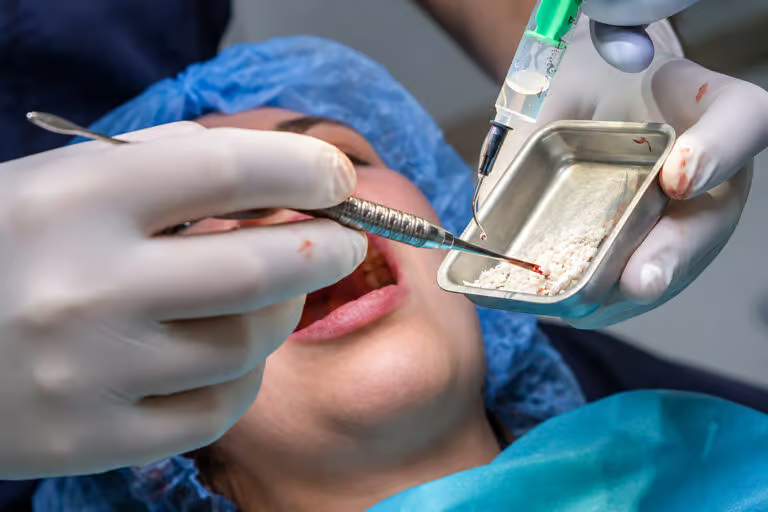
- Placing the bone graft: The bone material will be placed in the created space to stimulate the new bone regeneration.
- Closing the wounds: The surgeon will close the gums and secure the area for safe healing.
After the procedure, the patient will get clear after-care instructions, and healing will take a couple of weeks before the implants.
Recovery Time and Recommendations After Surgery
Healing period after sinus lift will vary from 4 to 9 months, depending on the bone graft placed and the body’s response. During this period, the new bone will be integrated and become strong enough to support the dental implant.
Here are the main things to consider after a sinus lift:
- Avoid blowing the nose and hard sneezes for a couple of days, since they can damage the treated area.
- Take the medications as prescribed by the surgeon to prevent infection and reduce pain.
- Don’t consume hard or hot foods for a couple of days after the procedure.
- Avoid strenuous physical activities for at least a week.
- Visit your dentist regularly to monitor the healing process and graft integration.
Possible Risks And Complications
Even though sinus lift is a safe and common procedure, as with any other surgery, it comes with possible risks and complications. Most of them are rare and will easily be managed with timely intervention.
Some of the most common complications include:
- Sinus membrane perforation: This is the most common complication and can require postponing the procedure.
- Infection: it can happen if the patient doesn’t follow after-care instructions or proper hygiene is not maintained.
- Bleeding or severe swelling: These symptoms will go down on their own in a couple of days, but should be monitored constantly.
- Bone graft failure: In rare cases, the placed material will not successfully integrate with the existing bone.
- Accumulation of liquid on the sinus area: This will require additional treatment to avoid infection.

When Will Implants Be Placed After A Sinus Lift?
Placing dental implants after a sinus lift will depend on the amount of existing bone and the way the body will react to the bone graft. If the bone is sufficient in some cases, the implant can be placed on the same session as the sinus lift procedure. This is known as immediate loading implantology and it is applied when the bone initially offers the proper amount of support for the implant.
However, in most cases, the implants will be placed after 4 to 9 months, offering the new bone enough time to form and to fully integrate. The dental surgeon will examine the healing process through check-ups and imaging technologies before placing the final implants. This careful approach significantly increases the long-term success of treatment.





 French
 English
 Italian
 Albanian