

Dental veneers are a well-known treatment for improving the appearance, but as with any other dental treatment, they don’t last forever. Their durability will depend on the material used, oral care, and the placement technique.
Furthermore, we will discuss how long veneers last and what the signs are that show that it is time to replace them.
What Are Dental Veneers?
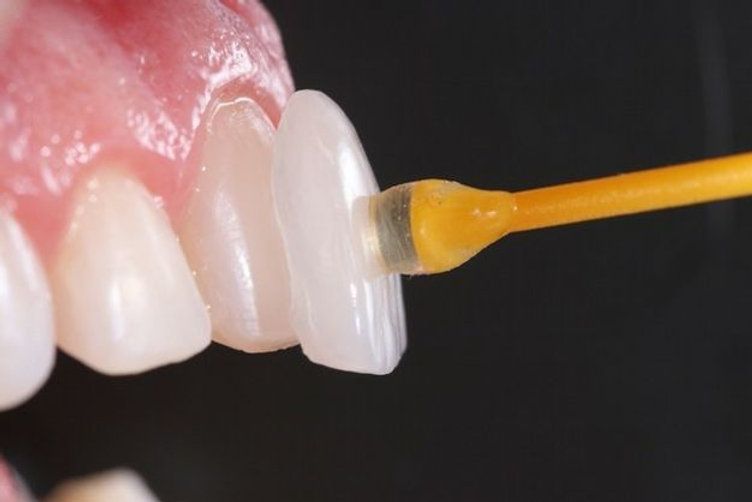
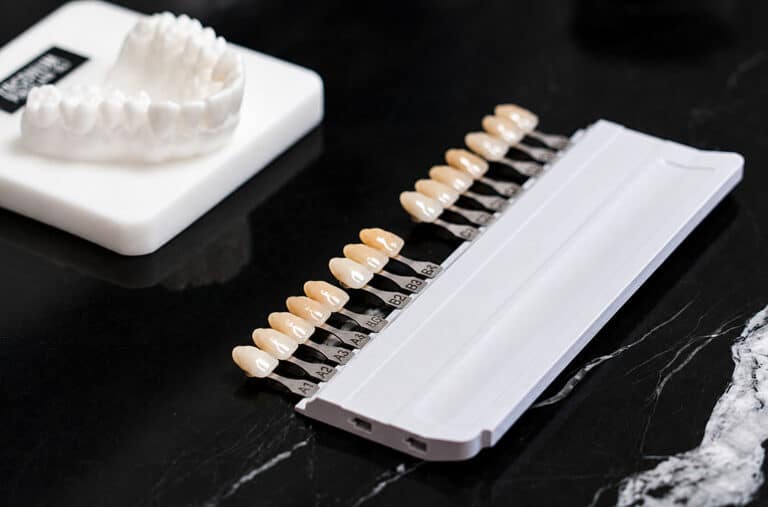
Dental veneers are thin shells composed of porcelain and composite material placed over the teeth’s surface to improve the appearance of the smile.
They are used to correct uneven tooth shape, white spots, tooth gaps, and small tooth fractures.
They are the preferred choice for patients who are looking for a more balanced and natural smile, without the need for major interventions in the tooth structure. With proper care and the right technique, veneers will offer stable and aesthetic results for many years.
What Is The Average Lifespan Of Dental Veneers?
The lifespan of dental veneers will depend on the materials used and their maintenance.
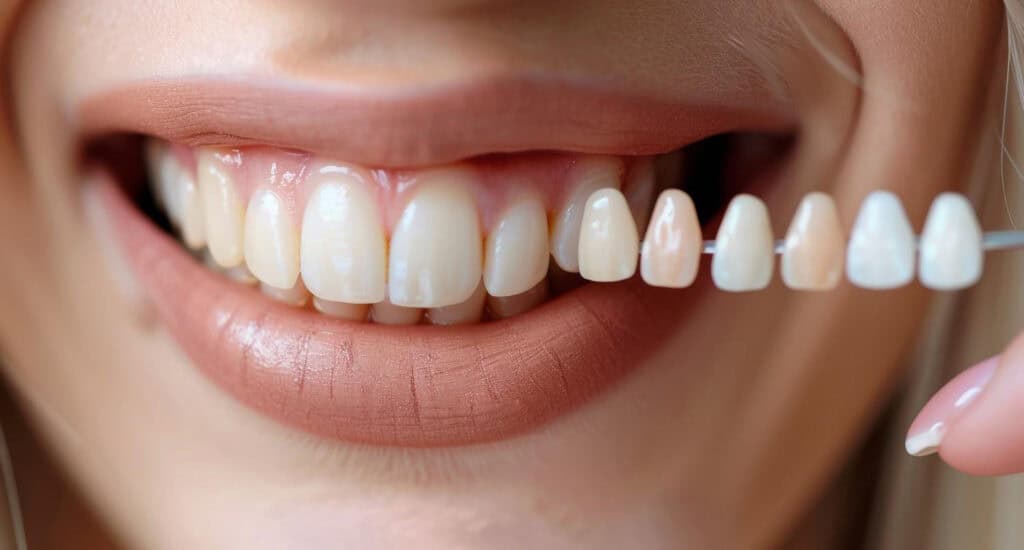
Porcelain veneers have an average lifespan of 10 to 15 years, while those composed of composite material will usually last 5 to 7 years.
In many cases, veneers will last even longer than this period, especially when advanced technology is used during their placement and the patient respects the aftercare instructions.
However, as time passes, they can wear down, discolor, or lose their bond to the teeth.
Factors That Affect Their Lifespan
Veneer material
The porcelain is more stable and stain-resistant, compared to composite, which is more affordable but more prone to consumption.
Bitting force
Patients who have the habit of clenching their teeth (bruxism) or biting hard objects can damage their veneers quickly.
Oral hygiene
Brushing the teeth regularly, the use of dental fillers, and regular check-ups will directly affect the veneer’s lifespan.
Bad habits
Smoking, consumption of coffee, red wine, and colored foods can affect the appearance and stability of dental veneers, especially of those composed of composite.
The quality of the dental work
Veneers placed incorrectly can start to move, break, or cause periodontal issues.
Signs That Your Dental Veneers Need To Be Replaced
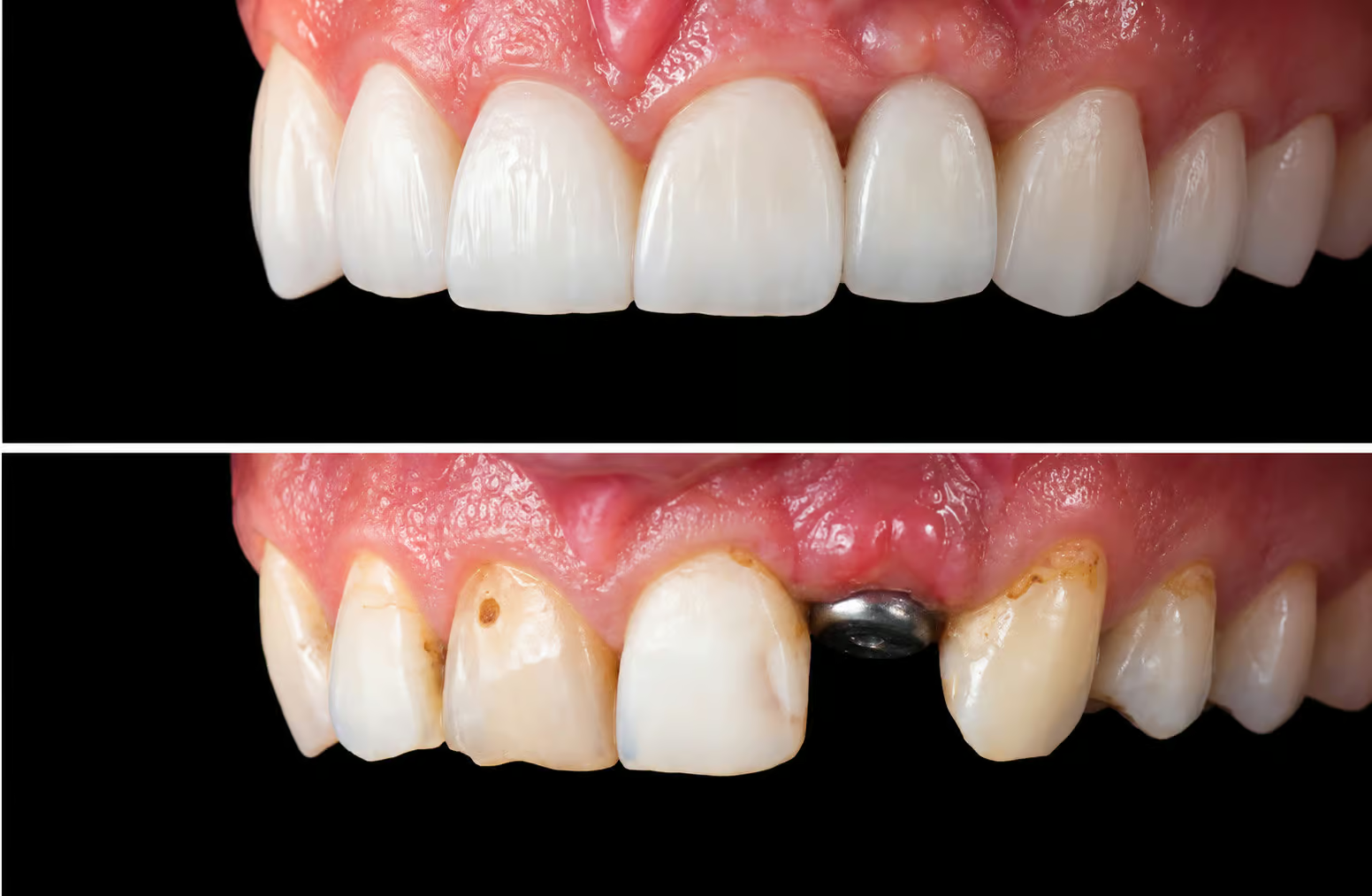
As time passes, even the most high-quality veneers will show signs that can indicate the need for replacement. One of the most common signs is the color change, especially when the natural teeth underneath start to darken or when the composite material stains.
The broken bond between the dental veneer and the tooth, fractures, or sensitivity to cold and hot are also clear indicators. Some patients might notice added inflammation to the gum line, pain, or a feeling of discomfort in the veneer area.
If you feel like your veneer has shifted, has become weaker, or is affecting your chewing, it is time to consult your dentist.
How Is The Replacement Process Performed?
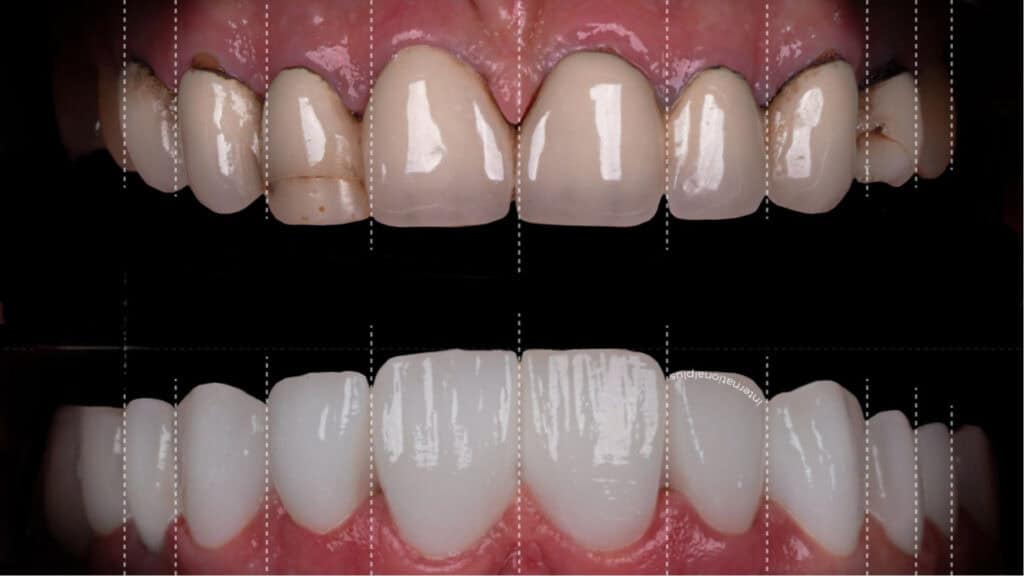
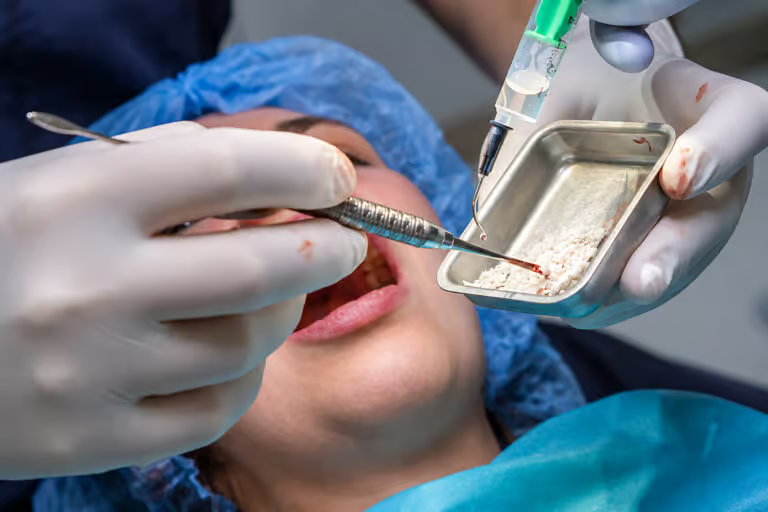
The replacement of dental veneers is a controlled procedure that is performed in several steps. Initially, the dentist will remove the old veneer carefully, not to damage the tooth structure underneath it. Furthermore, the tooth will be cleaned, prepared, and a new measurement will be taken.
A temporary veneer will be placed to protect the tooth until the lab prepares the new veneer. When this is ready, the dentist places it and secures it with strong adhesive material, ensuring that the fit, color, and shape are ideal for your appearance and function.
Tips To Make Veneers Last Longer
- Brush your teeth twice a day with a non-abrasive toothpaste and use dental floss every day.
- Avoid biting hard objects such as pan caps, ice, or nuts.
- Use a night guard if you have the habit of clenching your teeth during sleep.
- Limit the consumption of products that stain the teeth, such as coffee, black tea, and wine.
- Visit your dentist every 6 months for routine check-ups and professional cleanings.
- Don’t use your teeth to open bottles.
Are Natural Teeth Damaged During Replacement?
In most cases, natural teeth under the veneers are minimally treated and will not be damaged during replacement. However, if the veneer is not placed properly, or if cavities or damage are present, the dentist might need to correct the tooth structure to make sure the new veneer fits properly.
When the replacement is performed by a professional, the risk of damage is very small and the procedure is safe. The new veneers will significantly improve the tooth’s health and appearance.
When To Consult A Dentist About Replacing Veneers

You should consult your dentist if you notice any of these signs: changes in tooth color. Fractures, sensitivity, bite problems, or gum line inflammation. Even if there is no visible problem, it is better to perform a yearly check-up to assess the condition of your dental veneers.
The dentist will examine whether the veneers are still functional or if it is time for a replacement. Continuous care and following the professional’s recommendations are the key to a beautiful and stable smile.
In Conclusion
Dental veneers are an effective solution for improving the appearance of the smile, but as with any other treatment, they are not permanent. Their lifespan will depend on the used material, personal care, and the placement technique.
Porcelain veneers can last up to 10 years, while those made out of composite will last about 5–7 years.
Replacement is necessary when veneers start to stain, shift, or damage, or when you notice an unusual feeling. It is important not to ignore these signs and to consult your dentist immediately to avoid future complications.




 English
  Italian
  Albanian
  French