

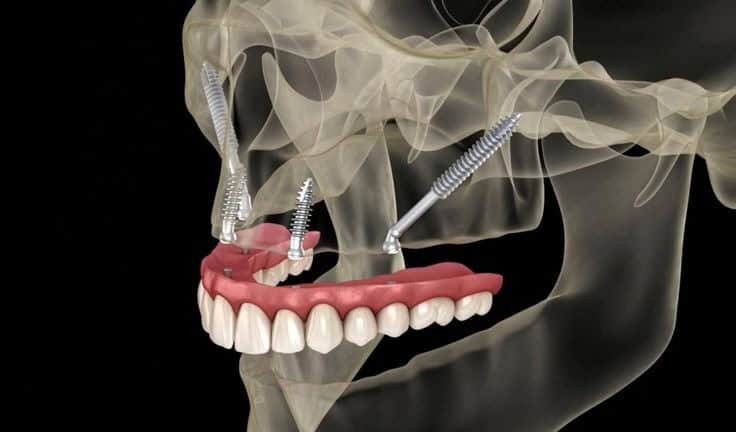
Dental implants have revolutionized tooth replacement, offering permanent solutions that look and function like natural teeth. At Virtus Dental Center, we offer both traditional dental implants and zygomatic implants to meet the diverse needs of our patients.
Understanding the differences between zygomatic and traditional implants can help you make an informed decision about which treatment is right for you. Each type has unique advantages and is suited for different patient situations.
Whether you’ve experienced significant bone loss or are seeking the most straightforward implant solution, this comprehensive guide will help you understand your options.
What Are Traditional Dental Implants?
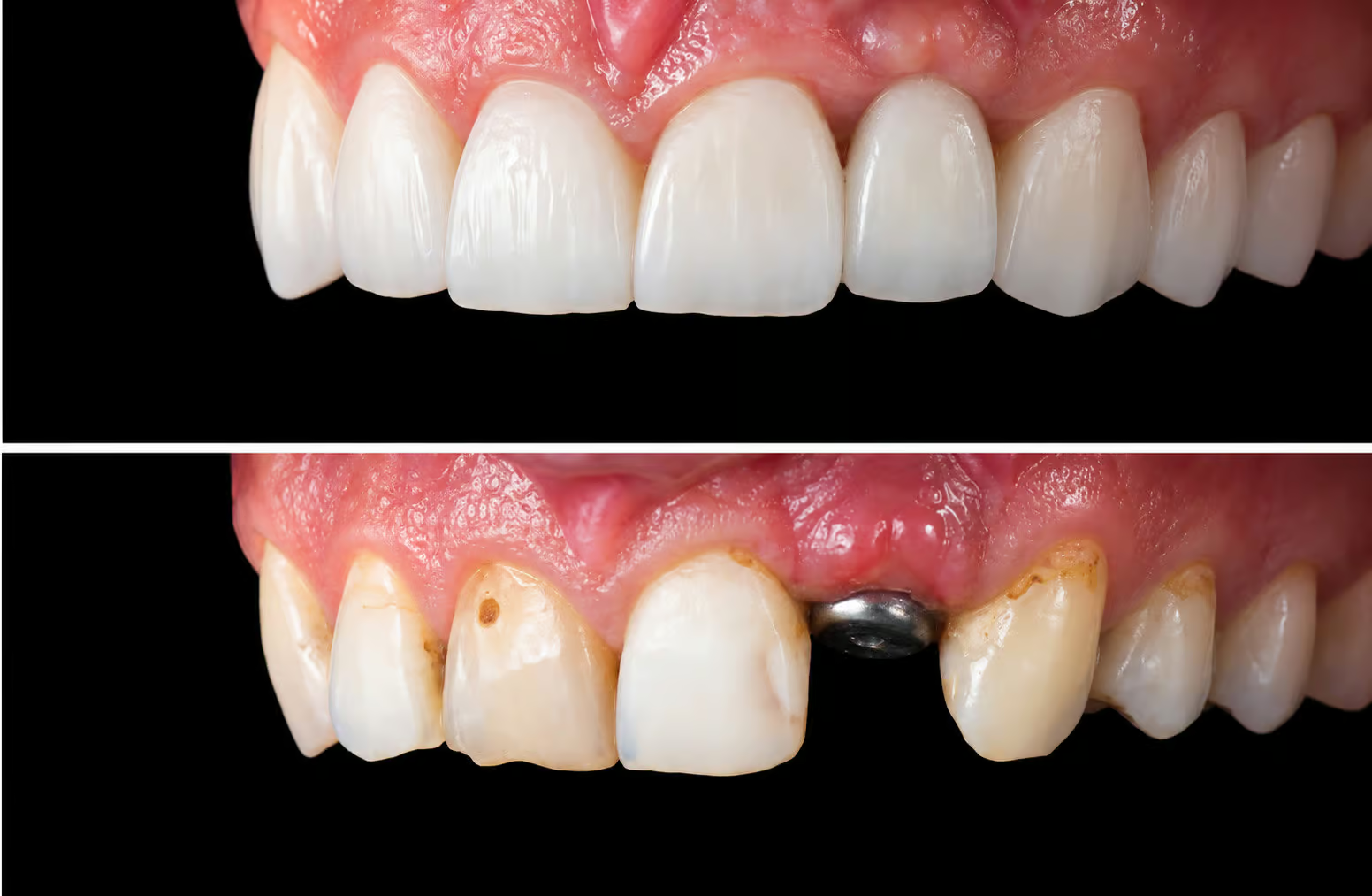
Traditional dental implants are titanium posts surgically placed into the jawbone to replace missing tooth roots. These implants integrate with the bone through a process called osseointegration, creating a stable foundation for replacement teeth.
The traditional implant procedure typically involves placing the implant into the maxillary or mandibular bone. Once healed, an abutment is attached, followed by a custom crown, bridge, or denture.
Traditional implants have been the gold standard for tooth replacement for decades, with success rates exceeding 95% in healthy patients. They’re suitable for replacing single teeth, multiple teeth, or supporting full-arch restorations.
At Virtus Dental Center, our experienced implant specialists carefully evaluate each patient to determine if traditional implants are the best solution for their needs.
What Are Zygomatic Implants?
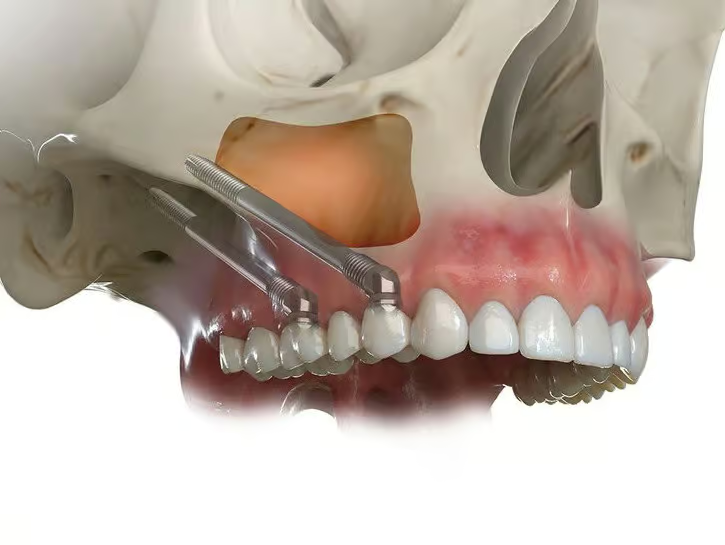
Zygomatic implants are specialized dental implants that anchor into the zygomatic bone (cheekbone) rather than the maxillary jawbone. These longer implants, typically 30-50mm in length, provide a solution for patients with severe upper jaw bone loss.
The zygomatic bone is denser and more robust than the maxillary bone, making it an excellent anchor point for dental implants. This innovative technique allows patients who would otherwise need extensive bone grafting to receive implants in a single procedure.
Zygomatic implants were developed in the 1990s and have since become a proven treatment option for complex cases. They’re primarily used for full-arch upper jaw restorations.
This advanced treatment requires specialized training and expertise, which is why Virtus Dental Center invests in continuing education to offer the latest implant techniques to our patients.
Key Differences Between Zygomatic and Traditional Implants
Placement Location
Traditional implants are placed directly into the upper or lower jawbone, requiring adequate bone density and volume. They typically measure 10-15mm in length and are positioned where natural tooth roots once existed.
Zygomatic implants bypass the maxillary bone entirely, anchoring into the zygomatic bone at an angle. This placement location is the fundamental difference that makes zygomatic implants viable for patients with insufficient jawbone.
Length and Size
Traditional dental implants are relatively short, ranging from 10-15mm in most cases. Their diameter typically measures 3-6mm, designed to fit within the natural bone structure.
Zygomatic implants are significantly longer, measuring 30-50mm to reach from the upper jaw to the cheekbone. Their increased length allows them to bypass areas of bone loss and anchor in the dense zygomatic bone.
Number Required
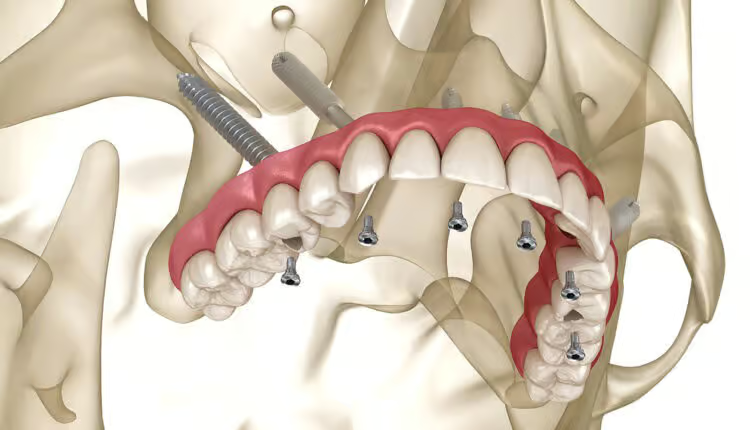
For full-arch upper jaw restoration, traditional implants typically require 4-8 implants distributed across the jawbone. This approach, often called “All-on-4” or “All-on-6,” provides multiple points of support.
Zygomatic implant protocols usually involve 2-4 zygomatic implants combined with 2-4 traditional implants in the front of the jaw. This hybrid approach maximizes stability while minimizing surgical complexity.
Surgical Complexity
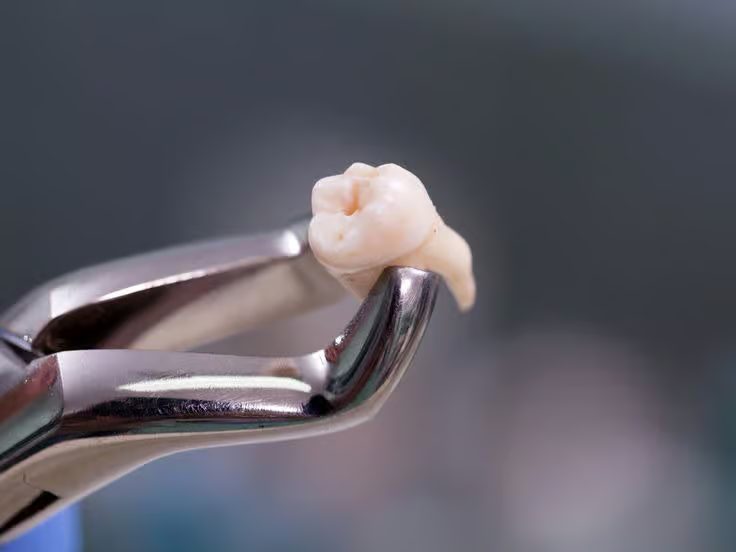
Traditional implant surgery is relatively straightforward and can often be completed in under an hour per implant. The procedure is minimally invasive with predictable healing patterns.
Zygomatic implant surgery is more complex, requiring advanced surgical skills and precise placement techniques. However, at Virtus Dental Center, our specialists use 3D imaging and surgical guides to ensure optimal placement and patient safety.
Healing Time
Traditional implants typically require 3-6 months of healing before permanent teeth can be attached. This allows time for complete osseointegration with the jawbone.
Zygomatic implants often support immediate loading, meaning temporary teeth can be attached the same day or within a few days of surgery. Final restorations are usually placed after 4-6 months.
Benefits of Traditional Dental Implants
Traditional implants offer numerous advantages that make them the first choice for most patients with adequate bone structure.
Key benefits include:
- Minimally invasive procedure with shorter surgery time
- Highly predictable outcomes with decades of research
- Suitable for single tooth, multiple teeth, or full-arch replacement
- Lower cost compared to zygomatic implants
- Faster recovery with less post-operative discomfort
- Can be placed in both upper and lower jaws
- Wide availability among dental professionals

Benefits of Zygomatic Implants
Zygomatic implants provide life-changing solutions for patients who would otherwise face limited options due to severe bone loss.
Major advantages include:
- No bone grafting required, eliminating additional procedures
- Immediate or same-day teeth in many cases
- Suitable for patients with severe maxillary bone loss
- Shorter overall treatment time compared to bone grafting plus implants
- High success rates even in challenging cases
- Anchored in dense, stable zygomatic bone
- Restores function and aesthetics simultaneously
Patient Suitability for Traditional Implants
Traditional dental implants are ideal for patients who meet specific criteria related to bone health and overall wellness.
Ideal candidates typically have:
- Adequate jawbone density and volume
- Good oral health with healthy gums
- Sufficient bone height in the implant area
- Overall good general health
- Non-smokers or willing to quit smoking
- Realistic expectations about outcomes
- Commitment to excellent oral hygiene
Patient Suitability for Zygomatic Implants
Zygomatic implants serve patients facing specific challenges that make traditional implants unsuitable or impractical.
Ideal candidates include those with:
- Severe maxillary bone loss from long-term tooth loss
- Failed traditional implants due to insufficient bone
- Extensive bone resorption following tooth extraction
- Medical conditions that complicate bone grafting
- Previous failed bone graft procedures
- Desire to avoid lengthy bone grafting treatments
- Need for upper jaw full-arch restoration
Making the Right Choice for Your Needs
Choosing between zygomatic and traditional implants depends on your unique situation, including bone health, overall health, treatment goals, and timeline preferences.
A comprehensive evaluation at Virtus Dental Center includes 3D imaging, oral examination, medical history review, and discussion of your expectations. This thorough assessment allows us to recommend the most appropriate treatment.
Some patients may be candidates for both options, allowing them to weigh the benefits and drawbacks of each approach. Our team provides honest, evidence-based recommendations tailored to your circumstances.
For patients with adequate bone, traditional implants often provide the most straightforward path to tooth replacement. For those with significant bone loss, zygomatic implants offer a faster, graft-free alternative.
Book Your Consultation Today
If you’re considering dental implants, the first step is a thorough evaluation to determine which type is right for you. At Virtus Dental Center, we’ll assess your bone structure, discuss your goals, and create a personalized treatment plan.
Don’t let missing teeth or uncomfortable dentures diminish your quality of life. Both traditional and zygomatic implants can restore your smile, confidence, and ability to enjoy your favorite foods.
Contact Virtus Dental Center today to schedule your implant consultation. Our experienced team is here to answer your questions and guide you toward the best solution for your unique needs. Whether you’re a candidate for traditional implants or require the specialized approach of zygomatic implants, we have the expertise to transform your smile.



 English
  Italian
  Albanian
  French