


When losing one or more teeth, restoring full mouth function and aesthetics becomes a priority. Two of the most common treatments are dental implants vs dental bridges. Patients stand between these two choices since both of them offer amazing results.
Both treatments have their own advantages and limitations, and the right choice will depend on individual needs, the mouth condition, and the patient’s budget.
In this article, we will explain the main differences between these two methods, the benefits of each, and factors that will help make the best decision based on your oral health.
What Are Dental Implants?
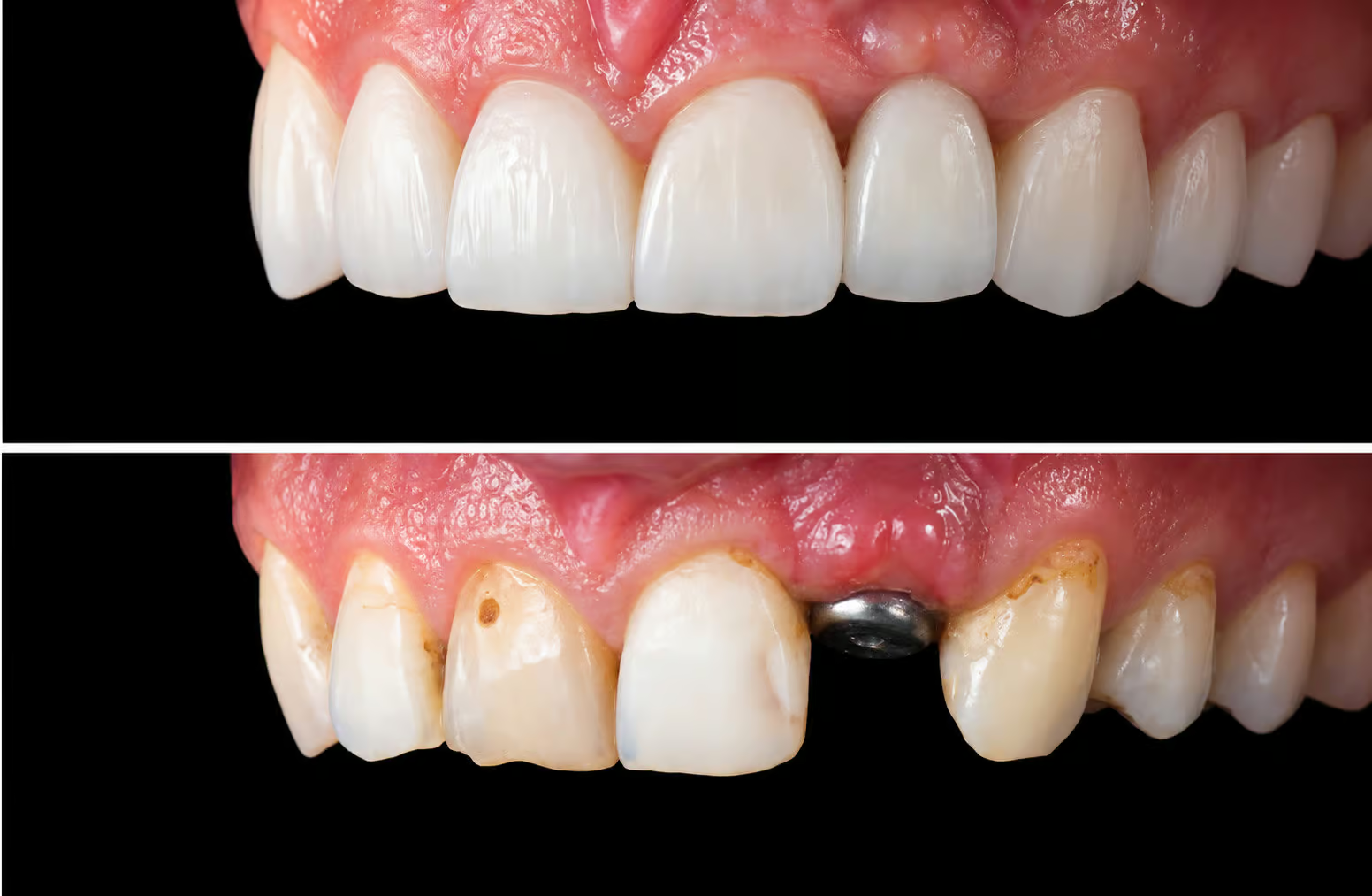
Dental implants are artificial structures placed on the jawbone to replace the missing tooth root. They are composed of titanium or other biocompatible materials and serve as a base for crowns, bridges, or fixed prostheses.
Once the implant is placed, it will integrate with the bone through a process known as osseointegration, offering long-term stability and durability. Implants are the perfect solution for those looking for a strong, functional, and aesthetic alternative for replacing missing teeth.
What Are Dental Bridges?
Dental bridges are fixed structures that are used to replace one or more teeth and rely on the natural teeth around the gap. They are composed of one or more artificial teeth, also known as pontics, connected by crowns that are placed over the supportive teeth.
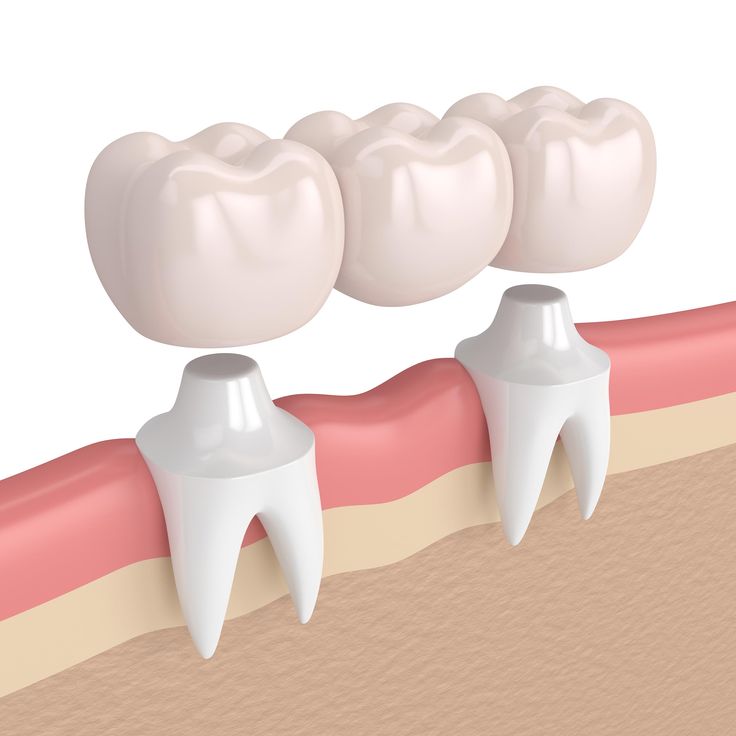
To place a dental bridge, the surrounding teeth should be altered and prepared to hold the supportive crowns. This method is less invasive than dental implants and can be performed in a shorter time, but it requires alteration to the existing teeth.
The Main Differences Between Dental Implants And Bridges
Structure And Placement
Dental implants are directly placed on the jawbone and replace the missing tooth root. On the other hand, dental bridges are supported by nearby teeth, which should be altered and covered by dental crowns that will hold the bridge.
Affect On Nearby Teeth
One of the main advantages of dental implants is that they won’t affect nearby teeth. In cases when bridges are used, nearby teeth will be altered even if they are healthy, which will have negative long-term effects.
Durability And Longevity
Implants are considered a long-term solution, since they are integrated with the bone and offer long-term stability. Bridges, even though function and aesthetics have limited durability and might require replacement after a few years.
Aesthetics And Natural Feel
Implants will feel more natural while eating and speaking, because they function the same as natural tooth roots. Bridges also might look aesthetically better, but the feeling of chewing is not as close to natural teeth.
Procedure Time
The implant procedure requires more time to be performed since it includes a healing phase after the placement. The procedure of dental bridges, on the other hand, might be performed in a couple of days or weeks, depending on the complexity of the case.
Dental Implant Advantages
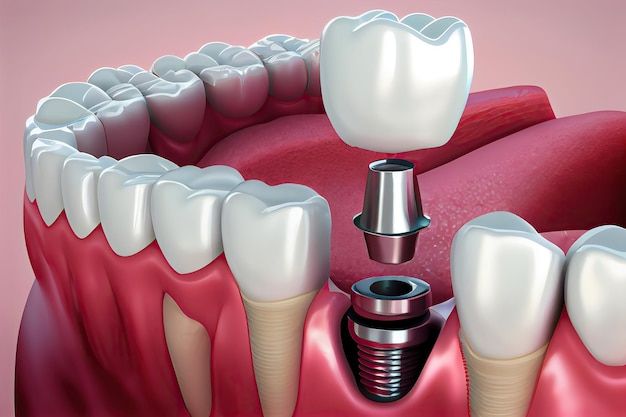
Dental implants offer a stable and functional solution for replacing missing teeth, maintaining mouth integrity, and offering a natural feeling while eating and speaking
The main advantages include:
- They don’t damage neighboring teeth.
- They look and function the same as natural teeth.
- Long-term stability.
- Prevent jawbone loss.
- Improve self-esteem and aesthetic appearance.
Dental Bridges Advantages
Dental bridges are an effective and quick solution to replacing one or more missing teeth in a row, especially when the neighbouring teeth are strong enough to offer support.
The main advantages include:
- Faster and less invasive procedure.
- Doesn’t require surgical intervention.
- The costs are lower than dental implants.
- It restores full mouth function, including eating and speaking.
- Improves aesthetics in areas where teeth are missing.
When Is Each Treatment Recommended?
Dental implants are the perfect solution if you are looking for a long-term and stable solution for replacing missing teeth. They are recommended when:
- You have sufficient jawbone to integrate with the implant.
- You are looking for long-term functional or aesthetic results.
- You want a treatment that minimizes bone loss and maintains mouth structure.
Dental bridges are more effective when:
- Nearby teeth are strong and can be used as supportive structures.
- You prefer a non-invasive treatment with less recovery time.
- You are looking for quick results at lower costs.
- You need an aesthetic and functional improvement in a specific area with missing teeth.
In many cases, the dentist will recommend implants for long-term replacement and structural improvements, while bridges might be a good solution when the situation requires minimal intervention or temporary restoration.
Cost And Treatment Time
Between dental implants and dental bridges, there are considerable changes in cost, which will usually affect the patient’s decision.
The dental implants process takes longer, includes placement of the implants, the osseointegration process, and placement of the crown. This can last for months, but the results are more stable and long-lasting.
In comparison, the dental bridges procedure is quicker; it will take a couple of days to weeks. They require fewer sessions and don’t need a healing period, making them more suitable for patients looking for a fast and simpler solution.
The final decision should be based on the mouth condition budget and long-term patient expectations.
In Conclusion, Which Is The Most Suitable Option For You?
Choosing between implants and dental bridges will depend on several individual factors, including the condition of the teeth, jawbone volume, and the available time and budget. Dental implants offer a more stable and functional long-term solution, while dental bridges are simpler, quicker, and require less intervention.
Consulting a specialized dentist is the most important step before deciding on the best treatment plan for your case. In clinics such as Virtus Dental Center, you will get a personalized assessment and a treatment plan based on your specific needs and goals.







 English
  Italian
  Albanian
  French