

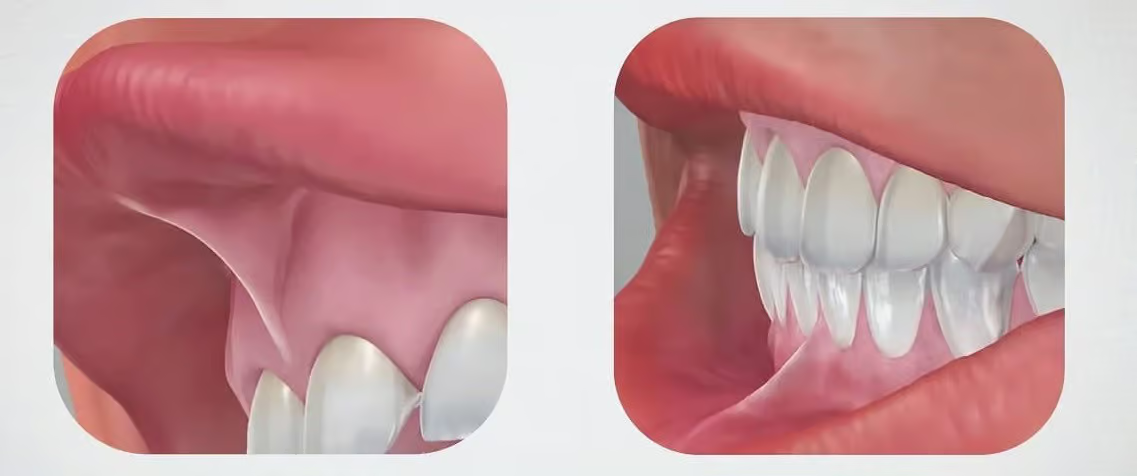
Frenectomy is a simple surgical procedure that aims to remove or loosen the frenulum, a small connector of the oral tissues. Even in adults, this tissue can cause functional and cosmetic issues, affecting speaking, eating, keeping dentures, or oral hygiene. When such issues are caused, frenectomy in Albania becomes necessary.
At Virtus Dental Center, we offer high-quality dental procedures, including frenectomy in adults, performed with maximum precision and care.
What Is Frenectomy And Why Is It Performed?
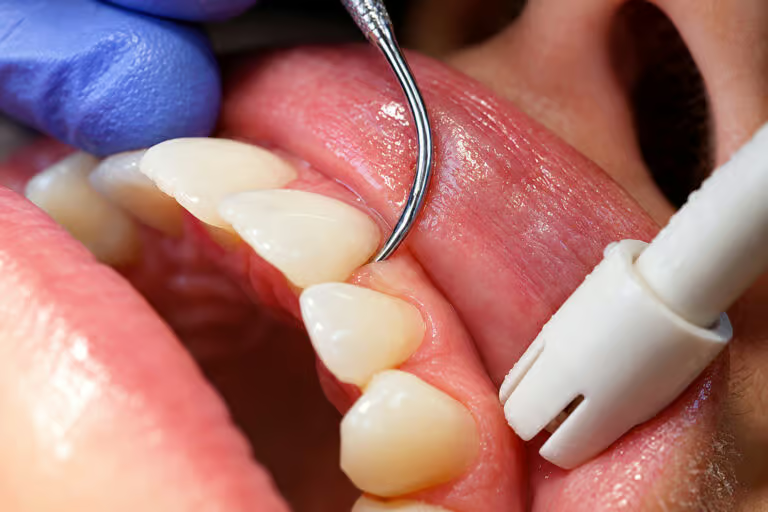
Frenectomy is a surgical procedure that consists of the removal or cutting of the frenulum, a thin tissue that connects different parts of the mouth, usually located between the upper lip and gum line or under the tongue.
When this tissue is very short, wide, or placed in an unusual way, it can affect natural tongue or lip movement and cause functional and aesthetic issues.
In adults, frenectomy is usually performed for reasons such as unclear pronunciation, tension on dentures, receding gums, feeding difficulties, or oral hygiene problems.
Surgery will help improve the mouth or tongue function, easing pain and preventing additional oral complications.
Types Of Frenulums In Adults That Require Medical Attention
The lingual frenulum (under the tongue) is a small tissue that connects the lower part of the tongue with the floor of the mouth. When this frenulum is too short or wide, it limits the mouth movement, a condition known as ankyloglossia or “tied tongue”. In adults, this can cause difficulty with pronunciation, speech, and even cleaning the mouth.
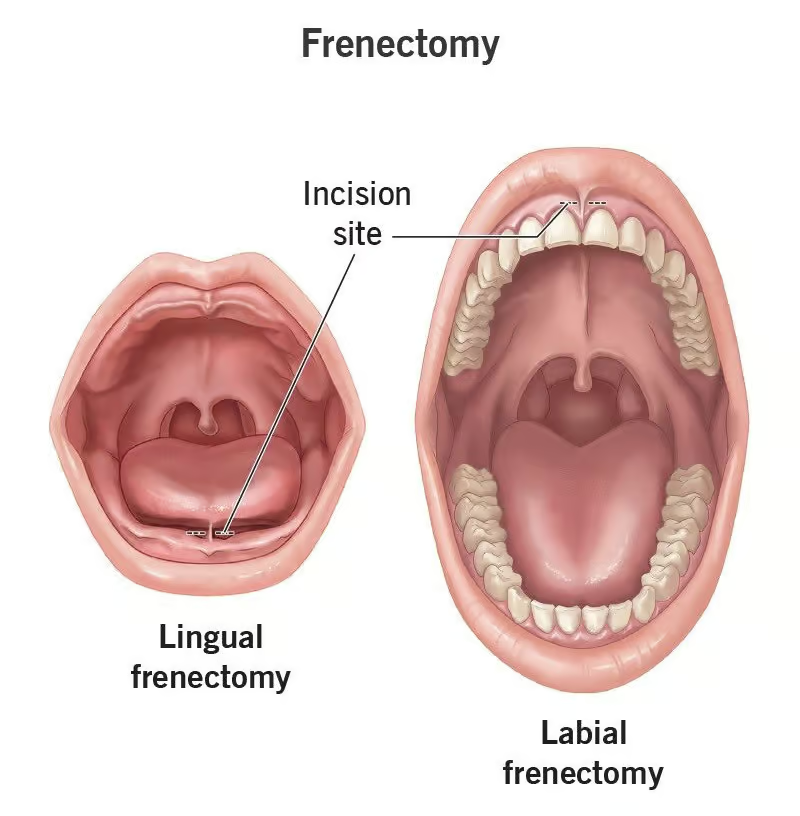
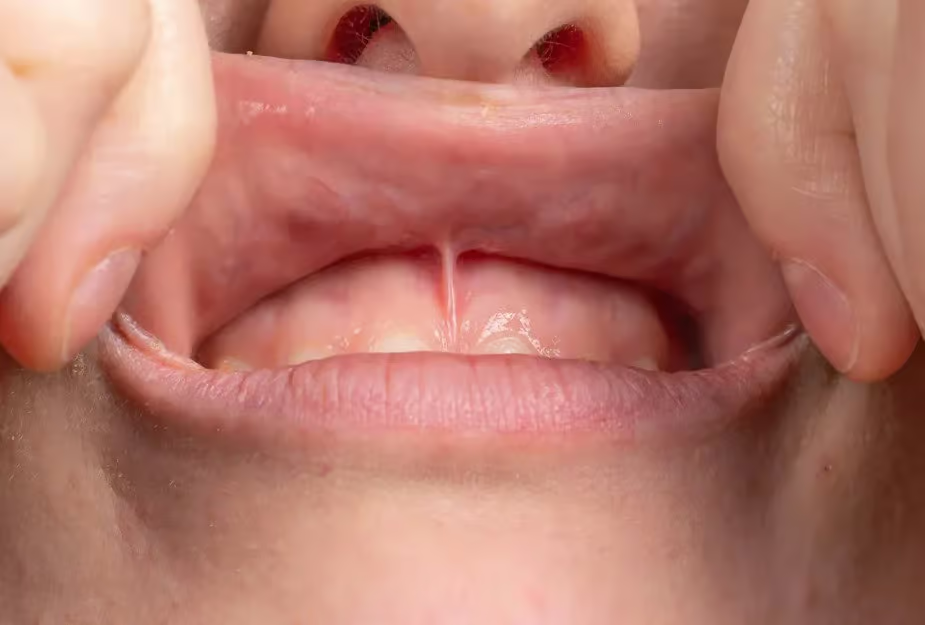
Upper labial frenulum (between the lips and the upper gums) can cause a separation of the front teeth (diastema), pressure on the gum line, and difficulties with dentures. When it is too low or too thick, the removal of this frenulum will be recommended for both functional and cosmetic reasons.
Lower labial frenulum ( between the lower lip and gums) is rarer but in some cases can cause the receding of the gum line or constant irritation, especially when it is in contact with dentures or during normal mouth functions. Even in these cases, frenectomy can be necessary.
Signs That You Need A Frenectomy
One of the most common signs that you might need a frenectomy is difficulty with tongue movement, for example, not being able to lift it or push it further. This affects the pronunciation of certain sounds and can cause a feeling of pressure while speaking.
In adults with a prominent upper frenulum, a noticeable gap between the front teeth or the receding of the gum line. This can lead to inflammation, pain while eating, or issues with keeping dentures.
Other symptoms include issues while eating, problems with word pronunciation, frequent wounds on the frenulum area, or not being able to maintain good oral hygiene around the teeth and tongue.
If any of these issues are persistent, frenectomy can be a necessary solution.
How Is The Procedure Performed, And How Long Does It Last?
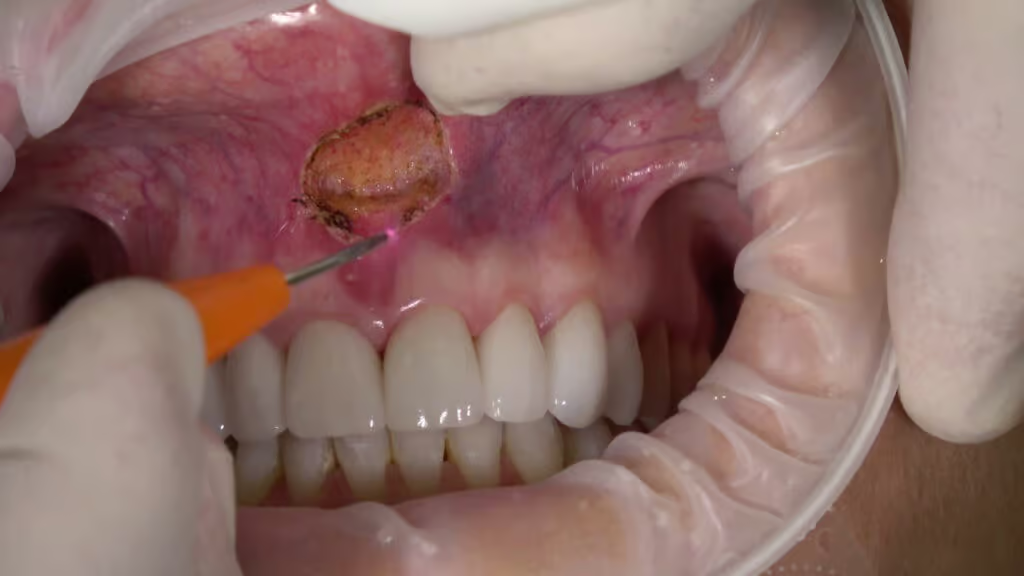
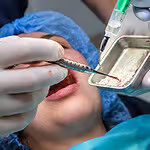
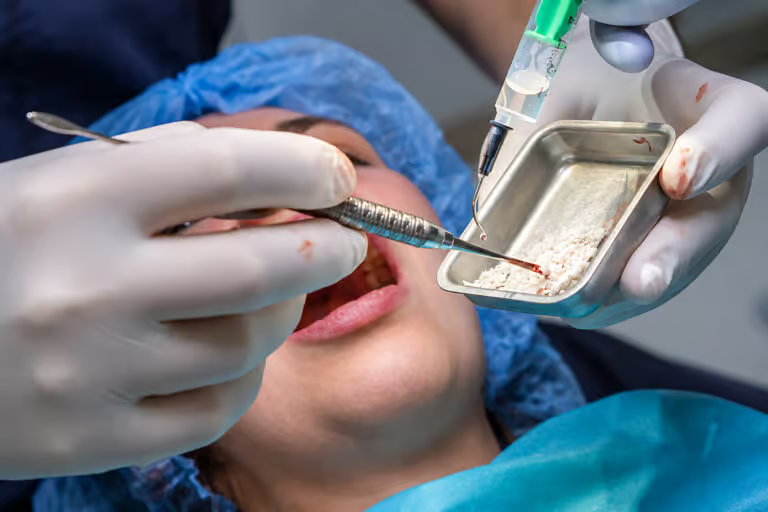
Frenectomy is a relatively simple and quick procedure that is usually performed with local anesthesia. The surgeon will initially numb the area to avoid any feeling of pain and then use surgical tools or a laser to cut or loosen the frenulum.
The procedure will usually last 10 to 20 minutes, depending on the location of the frenulum and the complexity of the case. In cases when a laser is used, the procedure is even quicker, with less bleeding and a shorter recovery time.
After the procedure, the patient can return to their everyday activities on the same day, with simple aftercare instructions.
Is Frenectomy Painful?
No, frenectomy is not a painful procedure. It is performed under local anesthesia, so during the procedure, the patient won’t feel any pain. In some cases, laser technology can also be used, which makes the intervention even gentler, without bleeding and with less discomfort after surgery.
After the anesthesia wears off, some patients will feel sensitivity or light discomfort in the treated area, but it passes quickly and is treated with usual analgesics.
Overall, the period after the procedure is easier, and the patients will be able to return to their normal activities quickly.
The Benefits Of Frenectomy In Adults
One of the main benefits of frenectomy is speech improvement, especially in cases when the lingual frenulum (located under the tongue) has limited sound articulation for years. After the procedure, the patients will usually notice huge positive improvements in speaking and speaking fluency.
Frenectomy also helps with the improvement of the lips and tongue function, making oral hygiene, eating, and kissing easier. The freedom of movement directly helps in overall well-being.
In cases when the frenulum has caused gum line recession or a gap between the front teeth, frenectomy contributes to gum stabilisation and preparation for cosmetic or orthodontic treatments, such as closing the space between the teeth (diastema).
For patients who keep dentures, the removal of the frenulum allows a safer and more comfortable placement, avoiding irritation and shifting during speaking and eating.
Overall, frenectomy improves oral comfort, helps prevent long-term complications, and improves overall life quality.
Recovery And Aftercare
Recovery after frenectomy is fast and complication-free in most cases. Most patients will be able to return to their normal activities on the same day. The initial sensation will be mild discomfort and swelling, which will go away within 24–72 hours.
To help with recovery, it is recommended to avoid hot, spicy, and hard foods during the first days. Soft and cold foods such as yogurt or cold soups help ease the pain in the treated area. Also, it is important to maintain oral hygiene, rinsing the teeth with salty water or an antiseptic solution as the dentist recommends.
In some cases, the doctor may recommend simple tongue or lip exercises to prevent the frenulum from returning and help restore full mobility. A routine check-up after 5–7 days ensures that everything is healing properly.
Besides everyday care, it is important for the patient to follow the dentist’s instructions carefully to avoid infection or possible complications. If symptoms such as persistent pain, increased bleeding, or fever occur, the clinic should be contacted immediately.
However, these cases are rare, especially when the surgery is performed by experienced professionals and if the patients follow the recovery aftercare.




 English
  Italian
  Albanian
  French