

Can you get dental veneers in Albania without shaving your natural teeth? In selected cases, yes, but the possibility depends on your enamel, tooth position, desired changes, and the space available for a natural-looking restoration.
Can Veneers Really Be Placed Without Shaving Teeth?
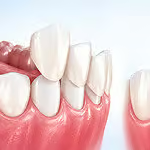
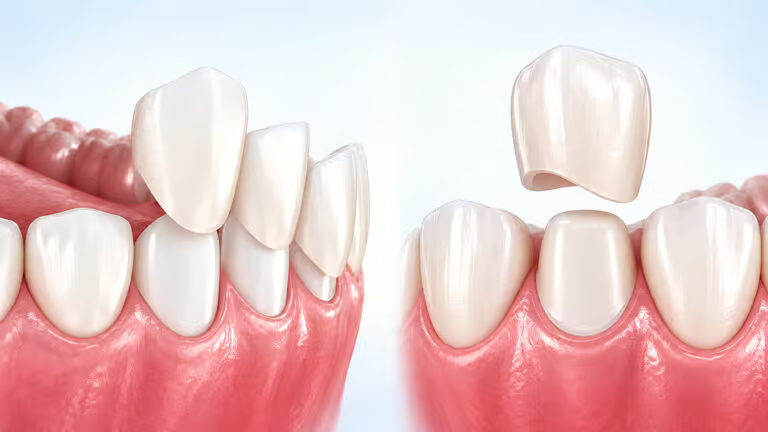
No-preparation veneers are very thin restorations bonded to the front of natural teeth without intentionally removing enamel to create space. They can work when the proposed smile design adds a small amount of volume rather than trying to conceal significant irregularities.

However, the term “no-prep” does not describe every modern veneer procedure. Some teeth require slight reshaping to prevent a bulky appearance, improve the edges, or make room for a stronger ceramic restoration.
At Virtus Dental Center, our veneer options include porcelain, E-Max, and composite materials. Whether a particular smile can be treated without enamel reduction must be assessed individually; no-prep treatment should never be promised from photographs alone.
No-Prep, Minimal-Prep, And Traditional Veneers: What’s Different?
The main distinction is how much natural enamel must be altered before bonding. All three approaches aim to improve tooth appearance, but each has different limits.
| Approccio | Preparazione del dente | Often Considered When |
|---|---|---|
| No-prep | No planned enamel reduction | Teeth need subtle added shape or volume |
| Minimal-prep | Small, controlled enamel adjustment | Minor space or contour correction is needed |
| Traditional veneer | More preparation where necessary | Larger colour, shape, or position changes are required |
Even an ultra-thin veneer adds material to the tooth surface. If there is insufficient space, skipping preparation can make the teeth look too prominent or create difficult-to-clean margins near the gums.
Who Might Be A Candidate For No-Prep Veneers?
The best candidates usually have healthy teeth positioned slightly behind their ideal final contour. Their goals involve modest improvements, rather than major correction of alignment or colour.
Situations worth assessing include:
- Small spaces: Carefully planned additional width may help close selected gaps.
- Short teeth: Extra length may improve proportions when the bite allows it.
- Naturally narrow teeth: Thin restorations may create fuller, balanced contours.
- Minor surface irregularities: Small shape differences may be concealed without extensive changes.
- Healthy enamel: A sound bonding surface is important for ceramic veneer retention.
A veneer is not the answer to every spacing or shape concern. Our guide to choosing veneer shapes for your face explains why tooth proportions should be planned around your individual smile.
When Is Some Tooth Preparation The Better Choice?
If your front teeth already project outward, adding veneers without creating space can exaggerate that position. Crowding, rotated teeth, and an uneven bite may also make no-prep veneers unsuitable.
Strong stains pose another challenge because ultra-thin ceramic cannot always disguise a dark underlying colour. More masking material may require extra thickness, which can compromise natural contours unless a controlled amount of enamel is removed.
Preparation may also be needed around existing fillings, chipped edges, or areas where a veneer would otherwise meet the gum poorly. The goal should be the least necessary alteration, not avoiding preparation at the expense of fit or health.
Do Porcelain, E-Max, And Composite Veneers All Work Without Shaving?
Material choice matters, but no material automatically guarantees a no-prep result. At Virtus, we discuss the possibilities offered by porcelain, E-Max, and composite veneers according to the teeth being treated.
Porcelain and E-Max are ceramic options that can be made in refined shapes and shades. Their required thickness still depends on the intended colour, the design, and the forces acting on the restoration.

Composite resin can sometimes be added directly to a tooth with little or no reduction, especially for minor chips or gaps. Our article on dental bonding versus veneers explores when a more limited repair may achieve the desired change.
How We Plan A Natural-Looking Result At Virtus
The starting point is not the veneer material; it is the position and health of your existing teeth. We need to understand how much the proposed smile differs from your current one before discussing preparation.
A careful assessment considers:
- Enamel and gum health: Decay or active gum disease must be managed first.
- Tooth position: Forward, crowded, or rotated teeth may need another approach.
- Bite relationship: Grinding and heavy contact can affect veneer suitability.
- Colour expectations: A dramatic shade change may need greater material coverage.
- Smile design: Tooth width, length, edges, and gum contours should look harmonious.
We can then explain whether additive treatment, limited preparation, or another service deserves consideration. The number of teeth involved also matters, as discussed in our guide to how many veneers a smile actually needs.
Could Another Treatment Preserve More Natural Enamel?
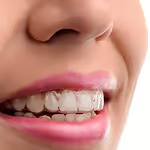
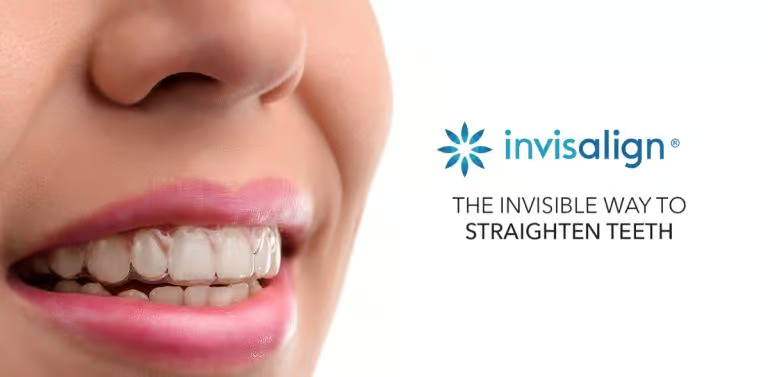
Sometimes the most conservative result does not involve veneers at all. A patient with healthy but slightly crowded teeth may be better served by Invisalign or orthodontic treatment before considering cosmetic restorations.
If colour is the only concern, professional teeth whitening may improve the smile without adding material. Small chips and localised spaces may be addressed through composite bonding, depending on their size and position.
More seriously damaged teeth may need a different restorative solution, such as a crown, instead of a thin veneer. We explain these distinctions before recommending irreversible changes to healthy enamel.
What Should International Patients Ask Before Travelling?
Patients coming from Italy often want to know whether their veneers can be completed during a short stay. Appointment requirements depend on the material, laboratory work, initial dental health, and whether adjustments are necessary.
Before arranging travel, share clear photographs, your main concerns, and any available dental records through our contact page. An initial discussion can clarify the options to explore, but final preparation decisions require an in-person examination. It is sensible to ask which teeth will be prepared, why preparation is necessary, and how replacement veneers could be managed later.
Domande frequenti
Are No-Prep Veneers Completely Reversible?
Not necessarily, even when no enamel is deliberately removed during preparation. Bonding, finishing, later repairs, and removal may affect the underlying surface, so reversibility should never be guaranteed.
Will No-Prep Veneers Make My Teeth Look Bigger?
They add thickness, so the final contours must be planned carefully. On teeth that already sit forward, this can produce an unnatural appearance or interfere with the bite.
Can No-Prep Veneers Hide Very Dark Teeth?
Sometimes limited colour changes can be managed, but strongly discoloured teeth may show through very thin material. Your dentist may discuss alternative materials, preparation, or a different treatment.
Do No-Prep Veneers Last Forever?
No veneer is permanent for every patient. Ceramic or composite can chip, stain, loosen, or require replacement, and good hygiene and regular dental reviews remain essential.
Can I Get No-Prep Veneers If I Grind My Teeth?
Grinding places additional stress on restorations and can increase the risk of damage. Your bite and grinding habits need assessment before any veneer design is recommended.
🦷 Want Veneers Without Shaving Your Teeth? Let’s Explore Your Options
Interested in veneers but concerned about shaving healthy teeth? Contact Virtus Dental Center to discuss your ideal result, which teeth need attention, and whether a more conservative option may be appropriate.
- 📧 Email: info@virtus.al
- 📞 Phone: +355 69 27 111 66
- 📍 Address: Rruga Teodor Keko, Pll 29, 1027 Tirana, Albania
- 🌐 Consultation: Contact Virtus Dental Center


 Italian
 English
 Albanian
 French