


Dental crowns are one of the most effective methods of restoring the function and appearance of damaged teeth. Virtus Dental Center offers high-quality crowns made of zirconia or porcelain, both known for their durability and aesthetics.
But which one of these materials is the right choice for you? Furthermore, we will discuss their main difference to help you make the right choice.
What Are Dental Crowns?
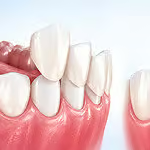
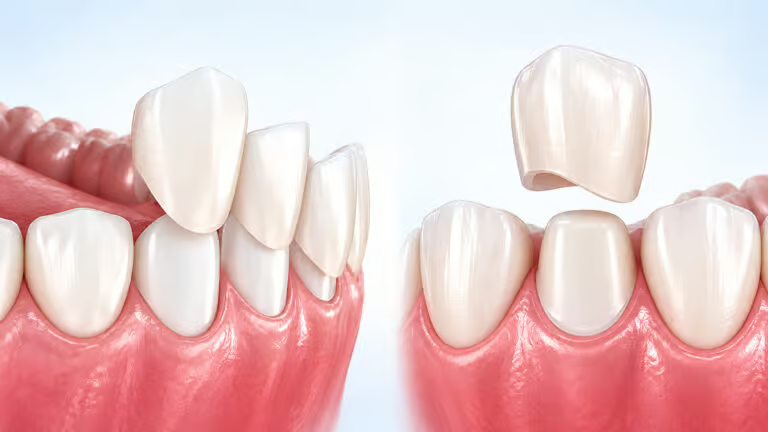
Dental Crowns are hard caps placed on top of damaged or weak teeth that aim to restore their shape, strength, and appearance. They are usually the recommended choice when a big part of the tooth structure is lost or after dental treatments such as root canals.
This procedure is a long-term solution that will not only improve chewing function but it will also improve the appearance of the smile. At Virtus Dental Center, crowns are composed of high-quality materials such as zirconia and porcelain to guarantee a natural look and long-lasting results.
What Is Zirconia, And What Are Its Benefits?

Zirconia is a high-quality, metal-free material used greatly in dentistry for composing dental crowns due to its combination of strength and aesthetics. It is a highly resistant type of ceramic, which has the ability to handle high biting forces and to offer a safe fit with the mouth tissues.
One of the main benefits of zirconia crowns is their high durability. This material will not wear out easily and will not crack, making it the ideal choice for patients looking for a strong and effective solution for replacing their back teeth. Furthermore, zirconia is a biocompatible material, meaning that it will not cause irritation or negative reactions on the gum line or other nearby tissues.
When it comes to the aesthetic aspect, zirconia crowns have gone through huge improvements over the last few years. They are now produced in different shades that closely resemble the natural tooth color, making them suitable for front teeth. Also, since they are metal-free, they won’t create that gray line on the gumline, which often occurs with traditional crowns composed of metal-porcelain.
If you are looking to combine strength, longevity, and a natural appearance, zirconia is one of the best alternatives in modern dentistry.
What Is Porcelain, And When Is It Used?
Porcelain is a refined material used for years to compose dental crowns. It is known for its ability to perfectly imitate the natural enamel appearance, reflecting the light the same way as natural teeth. This makes it a perfect solution for visible areas of the mouth, especially front teeth.
Porcelain dental crowns offer highly cosmetic and elegant results, fitting perfectly with the nearby teeth’s shape, color, and size. They are the ideal choice for patients who want to have a balanced and natural smile. Although they are not as strong as zirconia, they are highly durable for those parts of the mouth where biting forces are not as extreme.
Porcelain is mostly recommended in cases where aesthetics is the main priority, such as whitening teeth, or when the damage is visible. Additionally, porcelain is a suitable material for patients with sensitive gums, because it doesn’t cause irritation and is tolerated by the body.
Overall, porcelain is the ideal choice for those focused on aesthetics and natural teeth restoration, especially for front teeth, where details are highly important.

Difference Between Zirconia And Porcelain Dental Crowns
Crowns composed of porcelain and zirconia differ mainly in durability and appearance. Zirconia is stronger and more resistant to wear, making it suitable for back teeth that handle more pressure while eating. Porcelain, on the other hand, perfectly imitates the appearance of natural tooth enamel, becoming the perfect choice for restoring front teeth.
When it comes to the cosmetic aspect, porcelain dental crowns have the advantage of perfectly imitating tooth color and the natural light reflection, especially when it comes to the exposed part of the mouth, such as front teeth. However, due to new advancements in dentistry, zirconia has improved a lot and now offers amazing aesthetic results, becoming a suitable option for restoring front teeth.
Another notable difference between the two materials is their durability to damage. Zirconia has a higher resistance and is less prone to damage, while porcelain is more fragile and can easily be damaged when high force is applied. On the other hand, in cases when a natural result is required, especially a single crown on the front of the mouth, porcelain will be the perfect choice.
The choice between these materials is based on the damaged tooth location and the patient’s preferences. In many cases, the dentist also recommends a combination of both, depending on the clinical case.
How Durable Are Zirconia And Porcelain Crowns?

Zirconia dental crowns are one of the strongest used in modern dentistry. They handle biting forces perfectly and are highly resistant to damage and wear, even after a lot of years. For this reason, zirconia is usually the main choice for restoring back teeth, where maximum strength is required.
On the other hand, porcelain crowns are more fragile and less durable when compared to zirconia. Even though they offer amazing aesthetic results, they can be easily damaged when high force is applied or by unexpected damage. When placed in areas where biting forces are higher, such as in front teeth, and properly maintained, they will last for a very long time.
In both cases, their durability will also be related to the way the crown is placed, personal hygiene, and oral health. With proper maintenance, both choices will last a very long time and remain strong.
Do Dental Crowns Hurt?
The tooth is numbed with local anaesthesia while it is prepared, so most patients feel pressure rather than pain. After the crown is fitted, some mild sensitivity to hot or cold is common for a few days, because a thin layer of the tooth is reshaped to make room for the crown.
Pain that does not settle, or gum irritation around the crown, is not normal. It can be a sign of inflammation or a bite that needs adjusting, so contact your dentist for a check.
Getting Dental Crowns in Tirana, Albania: What to Expect
If you are travelling to Albania for crowns, the treatment usually needs more than one appointment:
- Examination and X-rays to check the tooth, the root and the gums;
- Tooth preparation and impressions or a digital scan, with a temporary crown if needed;
- Fitting of the final zirconia or porcelain crown, with bite and colour checks.
Ask the clinic how many days to plan for your case before you book your flights. The time depends on the number of crowns, the material and whether any other treatment, such as a root canal, is needed first.
How Will Virtus Dental Center Help You Make The Right Choice?
At Virtus Dental Center, every patient will be examined individually to better understand their functional and aesthetic needs. Our professional dentists will take into consideration the tooth location, oral health, and what your expectations are before choosing between zirconia and porcelain.
Through the use of modern technologies and our staff’s experience, we offer the perfect solution for restoring missing teeth and long-term results. You are guided through every step of the process with personalized care, so you can feel confident in the decision you make.




 English
 Italian
 Albanian
 French