

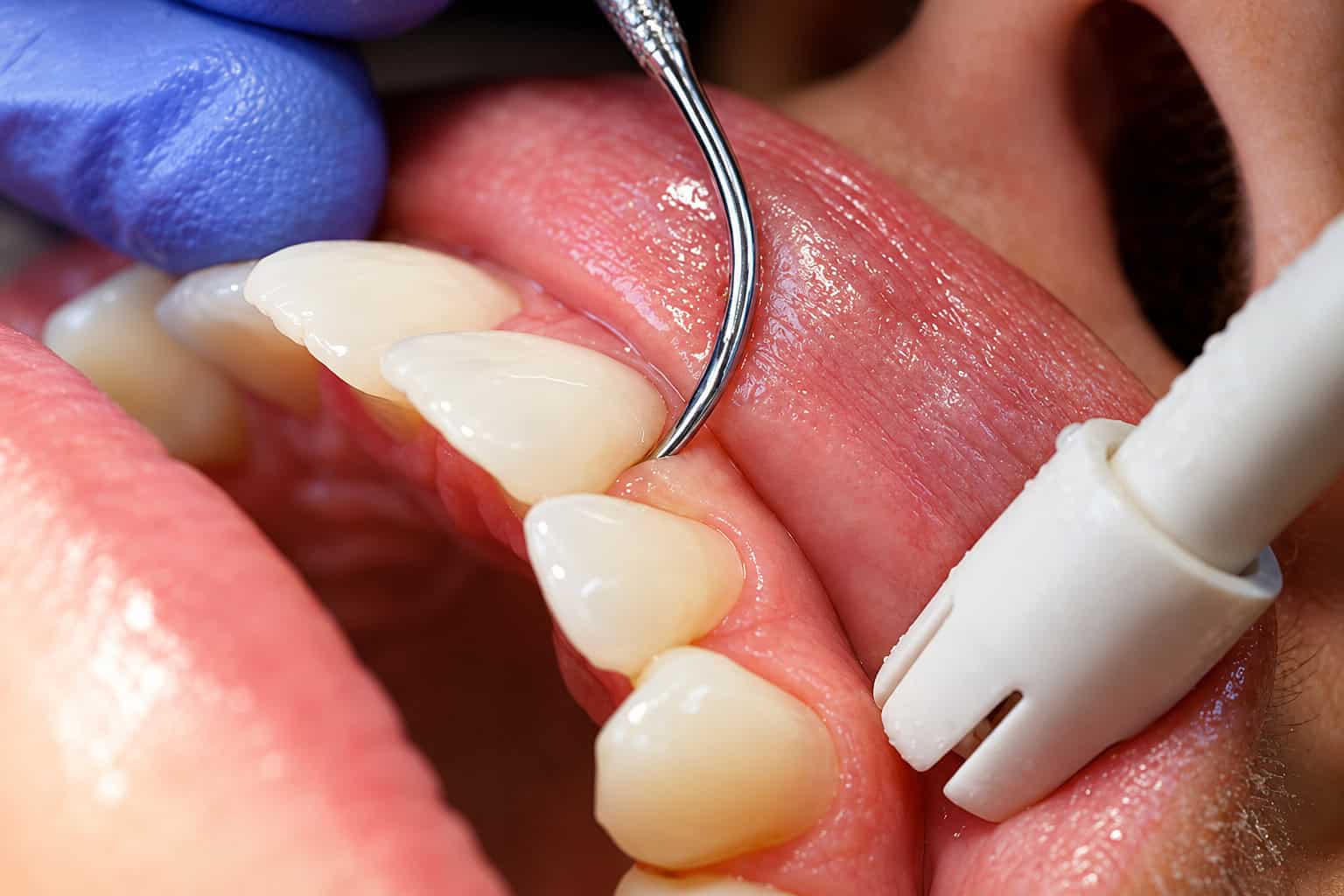
Loose teeth from gum disease do not always need to be extracted. In selected cases, controlling the infection and treating the damaged gums can help keep natural teeth. The result depends mainly on how much supporting bone remains around each tooth.
What Causes Loose Teeth From Gum Disease?
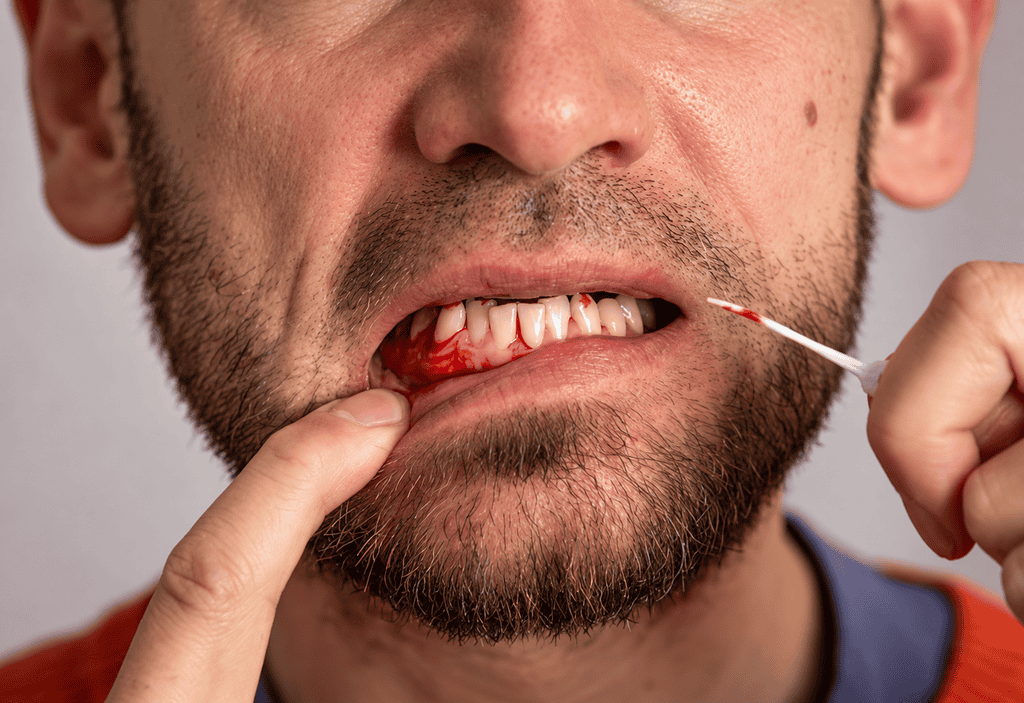
Gum disease usually begins when plaque and bacteria collect around the teeth. In its early stage, known as gingivitis, the gums may become red, swollen, and bleed during brushing.
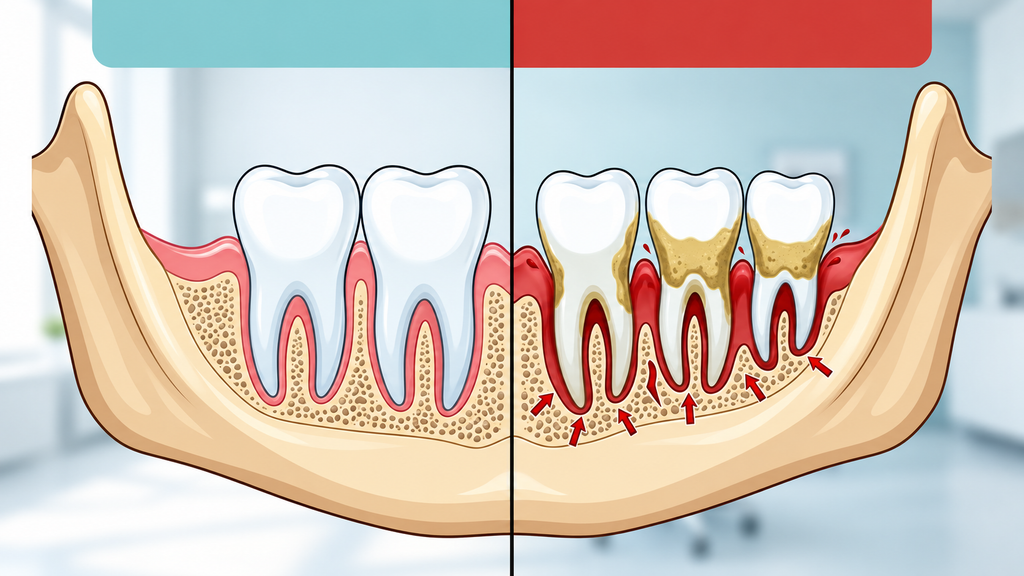
Without treatment, the infection can move below the gum line and develop into periodontitis. This advanced form of gum disease damages the tissues and bone that hold the teeth in position.
As bone support decreases, teeth may:
- Feel loose when touched
- Move during chewing
- Develop new gaps
- Look longer because the gums have receded
- Change position
- Become sensitive
- Produce pain or pus around the gum line
A loose tooth is often a sign that the disease has already caused significant damage.
Who Is Periodontal Surgery Suitable For?
Periodontal surgery in Albania may be considered when deep gum pockets or infection remain after professional non-surgical treatment.
A patient may be suitable when:
- The tooth still has useful bone support
- Deep gum pockets cannot be cleaned normally
- Infection remains below the gum line
- Gum recession has exposed the roots
- The tooth can be restored after the gums are treated
- The patient can maintain good daily oral hygiene
- Smoking and medical conditions are properly controlled
The decision is not based only on how loose the tooth feels. Its roots, bite pressure, bone level, position, and long-term value must also be examined.
How Does Periodontal Treatment Work?
First Appointment
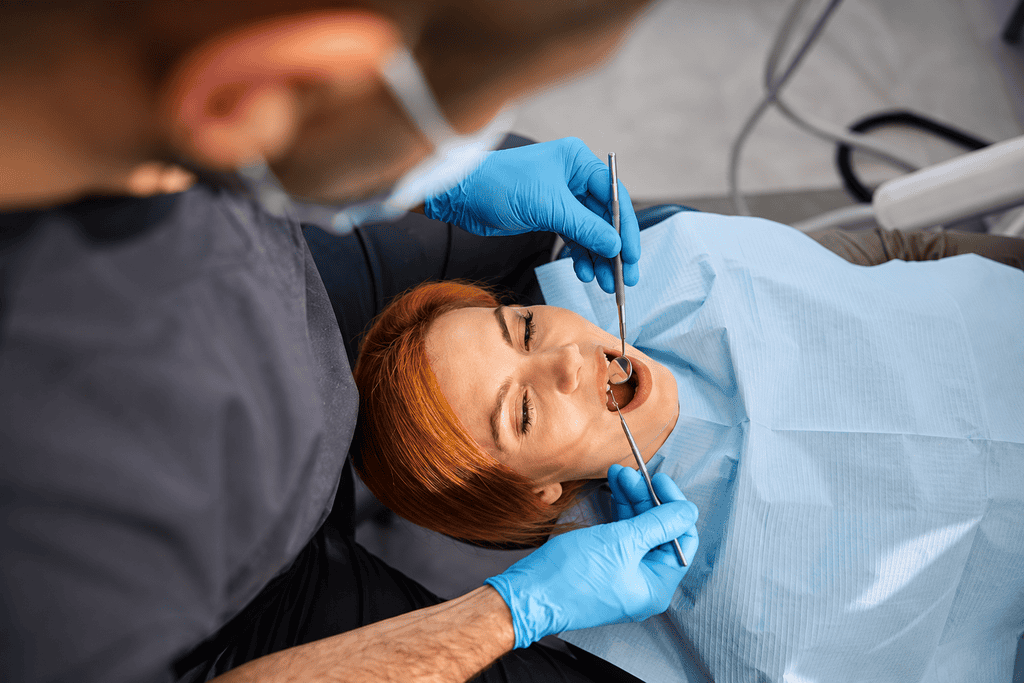
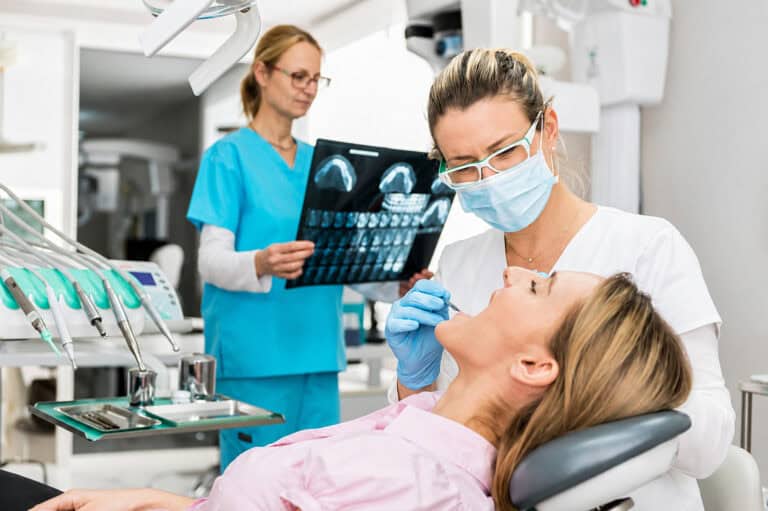
The dentist examines the gums and measures the pockets around each tooth. Tooth mobility, bleeding, gum recession, and bite pressure are also checked.
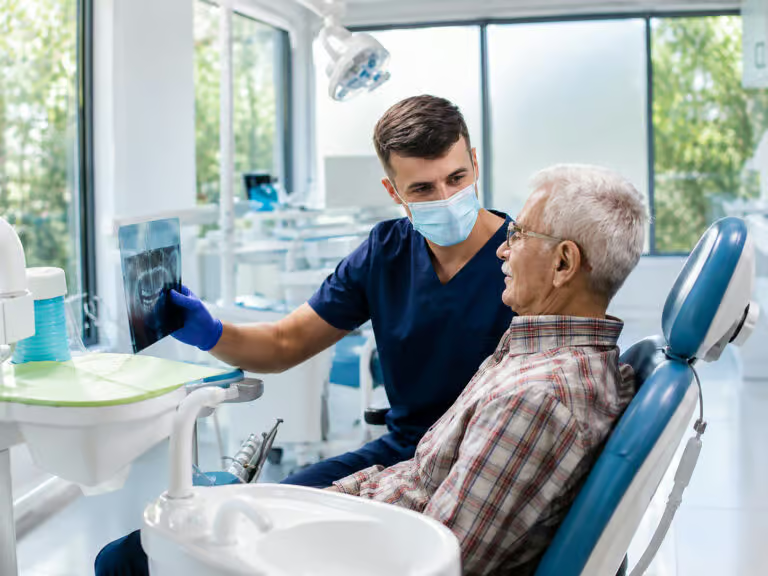
X-rays help show how much bone has been lost and whether the damage affects one area or the full mouth. The team then decides which teeth can realistically be saved.
Treatment Stage
Treatment normally begins by controlling plaque and infection. Professional deep cleaning removes bacterial deposits from below the gum line and smooths the root surfaces.
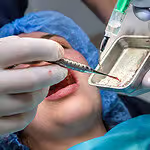
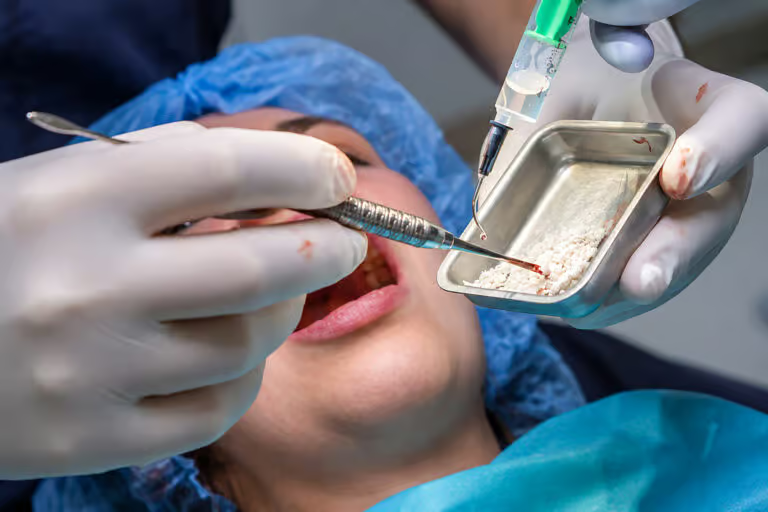
If deep pockets remain, periodontal surgery may be recommended. During flap surgery, the gum is gently lifted so the surgeon can clean areas that cannot be reached normally.
In selected cases, bone grafting or regenerative materials may be used around damaged tooth roots. Gum grafting may also help protect exposed roots, but it does not replace all the bone lost through advanced disease.
Final Stabilisation and Restoration
The gums and tooth mobility are checked again after healing. Some teeth may become more stable once swelling, infection, and harmful bite pressure are controlled.
A temporary splint may sometimes connect a loose tooth to stronger nearby teeth. Damaged teeth may also require fillings, root canal treatment, or crowns after the gums are stable.
How Long Does Periodontal Treatment Take?
The treatment time depends on the severity and number of affected teeth.
Deep cleaning may be completed over one or more appointments. The gums are then given time to respond before the need for surgery is confirmed.
Initial recovery after periodontal surgery often takes one to two weeks. Deeper tissue and bone healing continues for several months.
Complex cases may require more than one surgical area. Final dental restorations should only begin when the gum condition is stable enough.
Benefits Of Periodontal Surgery
When used in the right case, periodontal surgery may:
- Reach infection hidden below the gums
- Reduce deep periodontal pockets
- Make daily cleaning easier
- Slow further bone loss
- Protect the roots of natural teeth
- Improve gum health and appearance
- Support loose teeth that still have a reasonable prognosis
- Prepare the mouth for future restorations
The main aim is to control the disease and preserve useful natural teeth. Making a tooth completely firm again is not guaranteed.
Periodontal Surgery Vs Tooth Extraction
Saving a natural tooth is often preferred when it has enough healthy support and a realistic long-term future.
Periodontal surgery may be the better option when the infection can be controlled and the tooth can still function comfortably. Regular maintenance will be necessary after treatment.
Extraction may be recommended when the tooth is extremely loose, has severe bone loss, contains an untreatable infection, or cannot support a useful restoration.
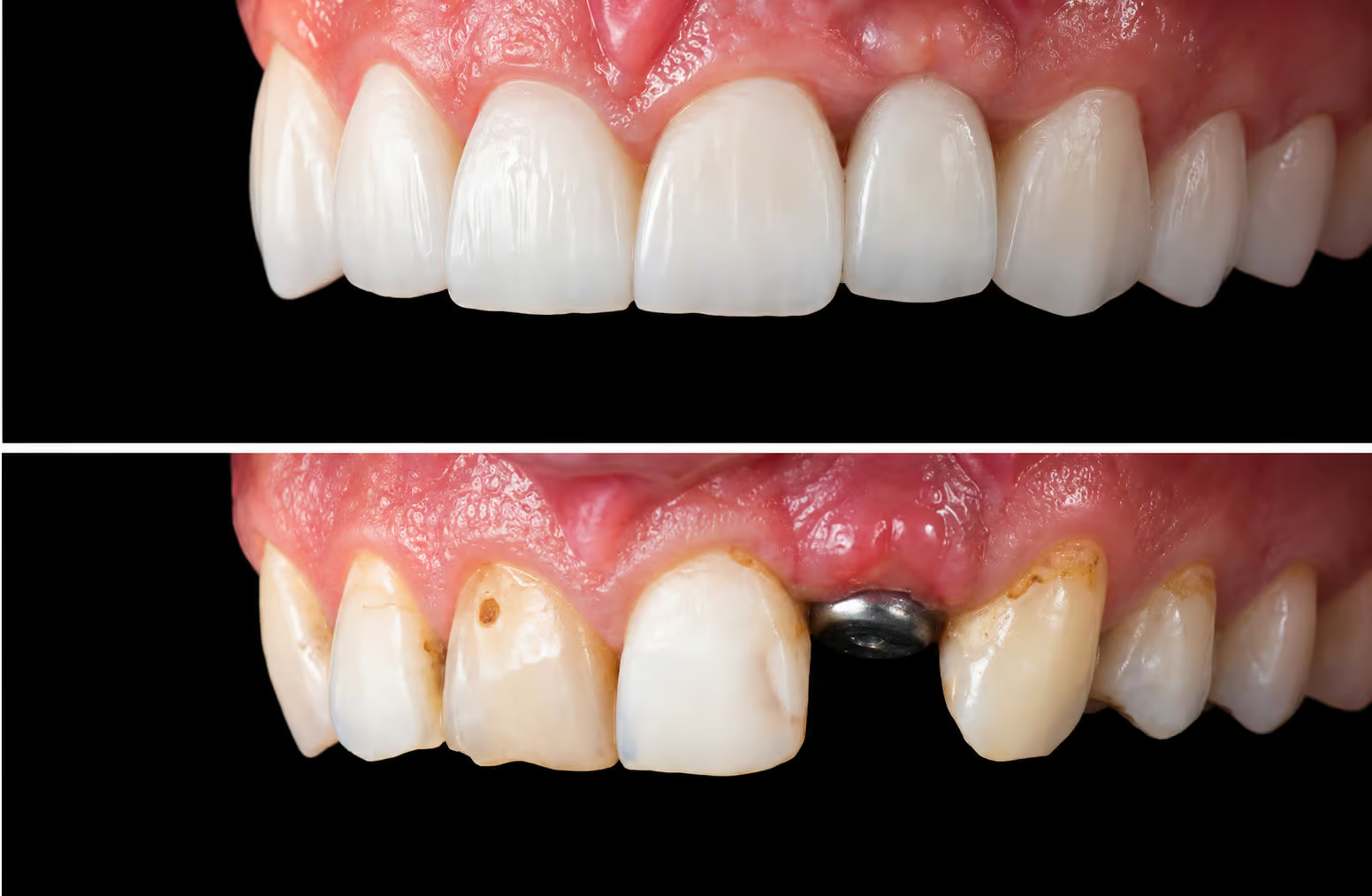
When extraction is necessary, the missing tooth may later be replaced with a bridge, denture, or implanti dentar.. Implant treatment should only begin after active gum disease has been controlled.
Procesi I Shërimit Dhe Kujdesi Pas
Mild swelling, tenderness, or limited bleeding can occur during early recovery. Follow every instruction provided by the dental team.
After surgery:
- Eat soft foods and avoid chewing on the treated area.
- Brush carefully without disturbing the stitches.
- Use prescribed products or medicine as instructed.
- Avoid smoking because it slows healing.
- Do not pull the lip or cheek to inspect the wound.
- Attend every follow-up appointment.
- Continue professional periodontal maintenance.
Contact the clinic if bleeding does not stop, swelling becomes worse, or you develop fever, pus, severe pain, or unexpected tooth movement.
How Long Do The Results Last?
Periodontal treatment can help preserve natural teeth for many years, but it does not permanently remove the risk of gum disease.
Plaque can begin collecting again if daily cleaning and professional maintenance stop. Smoking, uncontrolled diabetes, missed appointments, and untreated teeth grinding can also increase the risk of further damage.
Long-term results depend on regular brushing, interdental cleaning, periodontal check-ups, and early treatment of new inflammation.
Periodontal Treatment In Albania For International Patients
International patients with loose teeth need a complete examination before planning crowns, implants, or a full-mouth restoration.
Virtus Dental Center evaluates each tooth separately to determine what can be saved and what may need replacement. Periodontal treatment is planned before permanent restorative work because healthy gums are the foundation of a stable result.
Patients can send recent X-rays and dental photographs for an initial review through the clinic’s dental tourism service. The final plan is confirmed after a clinical examination in Tirana.
Pyetjet E Bëra Më Shpesh
Can a Loose Tooth Become Firm Again?
It may become more stable after infection and inflammation are controlled. The result depends on the amount of supporting bone that remains.
Is Periodontal Surgery Painful?
The area is numbed with local anaesthesia during treatment. Mild soreness or swelling can occur afterward and is managed through the clinic’s aftercare instructions.
Can Every Loose Tooth Be Saved?
No. Teeth with extreme bone loss, severe root damage, or uncontrolled infection may need to be removed.
Can I Receive Implants After Gum Disease?
Yes, selected patients may receive implants after the disease has been controlled. Healthy gums and consistent maintenance remain essential after implant placement.
Në Përfundim
Loose teeth from gum disease require early assessment. Periodontal surgery may save teeth that still have enough support, but treatment cannot rebuild every structure destroyed by advanced disease.
A tooth-by-tooth examination is the best way to decide which teeth can be preserved and which require another solution.
Give Your Natural Teeth Another Chance At Virtus 🦷✨
Do not wait for gum disease to cause further bone loss. Virtus Dental Center offers detailed periodontal assessment, advanced gum treatments, bone regeneration procedures, and complete restorative planning under one roof.
- 📲 Call or WhatsApp: +355 69 271 1166
- 📧 Email: info@virtus.al
- 🌐 Website: www.virtus.al
- 📍 Vendndodhja: Seksioni B, Rruga Teodor Keko Pll 29, Tiranë 1027, Albania
Send your dental X-rays or book a consultation today. The earlier gum disease is treated, the more possibilities there may be to protect your natural smile. 😊

 Albanian
  English
  Italian
  French