


Një specialist i implanteve mund të nevojitet kur zëvendësimi i një dhëmbi përfshin më shumë sesa vendosjen e një implanti standard dentar. Humbja kockore, problemet me mishrat e dhëmbëve, mungesa e disa dhëmbëve ose një implant i mëparshëm i dështuar mund ta bëjnë trajtimin më kompleks. Në këto raste, planifikimi i avancuar kirurgjikal dhe protetik bëhet veçanërisht i rëndësishëm.
Cili Është Ndryshimi Midis Një Dentisti të Përgjithshëm dhe Një Specialisti të Implanteve?
Një dentist i përgjithshëm është zakonisht profesionisti i parë te i cili drejtoheni për kujdes dentar. Stomatologjia e përgjithshme mund të përfshijë ekzaminime, pastrim profesional, mbushje, trajtim të kanalit të rrënjës, kurora dhe menaxhimin e problemeve të zakonshme dentare.
Disa dentistë të përgjithshëm vendosin gjithashtu implante pasi kanë përfunduar trajnimin e duhur. Rastet e thjeshta mund të trajtohen me sukses në një klinikë të stomatologjisë së përgjithshme kur ka mjaftueshëm kockë të shëndetshme dhe zona e implantit nuk ka komplikacione të mëdha.
Një specialist i implanteve përqendrohet më ngushtë te kirurgjia implantare dhe zëvendësimi kompleks i dhëmbëve. Ky profesionist mund të ketë trajnim të avancuar në implantologji, kirurgji orale, periodontologji ose kirurgji maksilofaciale. Pika e rëndësishme nuk është vetëm titulli, por trajnimi, përvoja dhe aftësia për të menaxhuar rastin specifik.
| Fusha e kujdesit | Dentiste e përgjithshme | Specialisti i implanteve |
| Kujdes dentar rutinë | Zakonisht e ofron drejtpërdrejt | Mund të bashkëpunojë me dentistin e përgjithshëm |
| Raste të thjeshta me implante | Mund t’i trajtojë me trajnimin e duhur | Mund t’i trajtojë gjithashtu |
| Humbje e rëndë e kockës | Shpesh referon ose bashkëpunon | Planifikon procedura të avancuara me implante ose kockë |
| Trajtimi i gjithë harkut dentar | Mund të kryejë restaurimin ose të koordinojë rastin | Planifikon pozicionin e implantit, mbështetjen dhe ndërhyrjen kirurgjikale |
| Komplikimet e implanteve | Mund të kryejë vlerësimin fillestar | Mund të trajtojë problemet kirurgjikale ose rastet komplekse |
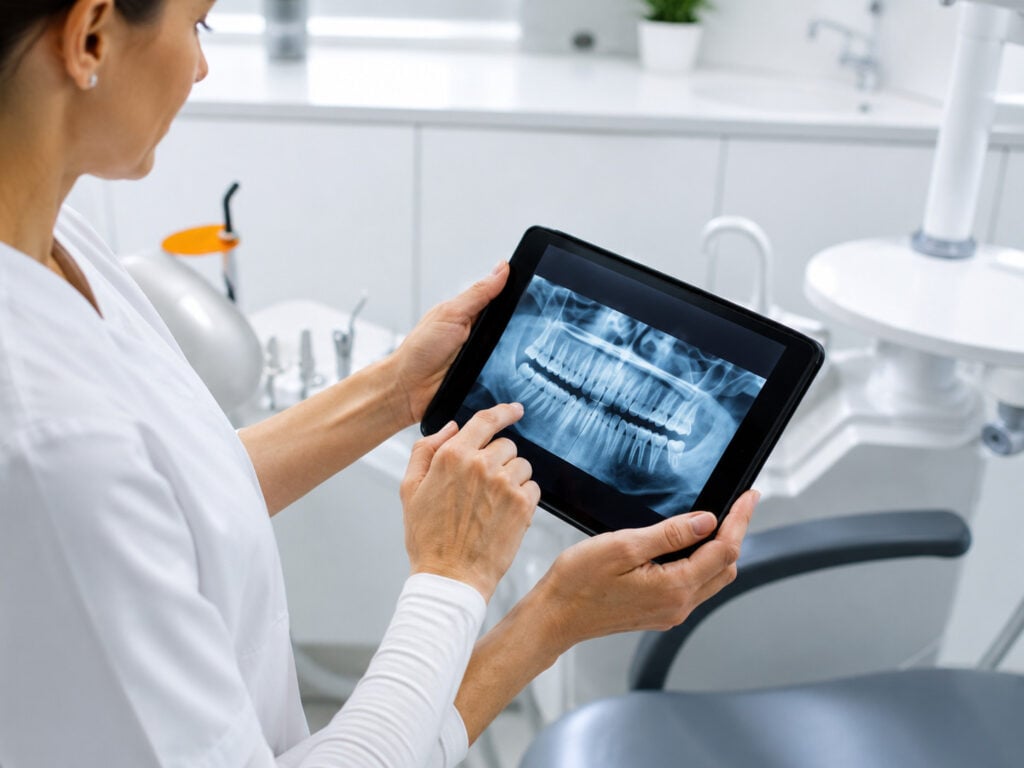
Kur Duhet të Vizitoni një Specialist të Implanteve?
Jo çdo dhëmb i munguar kërkon kirurgji të avancuar. Megjithatë, situatat e mëposhtme shpesh kërkojnë një ekip më të specializuar për implante.
1. Ju Mungojnë Disa Dhëmbë ose një Harkadë e Plotë Dentare
Zëvendësimi i një dhëmbi është ndryshe nga rindërtimi i shumicës ose i të gjithë dhëmbëve në një nofull. Një restaurim i plotë i harkadës duhet të mbështesë përtypjen, të folurin, pamjen e fytyrës dhe një kafshim të ekuilibruar.
Implantet duhet të vendosen në pozicione që mund të mbështesin urën përfundimtare. Numri, këndi dhe shpërndarja e tyre planifikohen para ndërhyrjes kirurgjikale. Opsionet e trajtimit mund të përfshijnë Implante All-on-4, All-on-6, All-on-8, ose një formë tjetër të rehabilitimit të plotë të gojës.
Një specialist i implanteve duhet të marrë parasysh si ndërhyrjen kirurgjikale, ashtu edhe dhëmbët përfundimtarë. Vendosja e implanteve pa planifikuar urën e ardhshme mund të krijojë probleme me pastrimin, rehatinë ose forcat e kafshimit.
2. Kocka e nofullës suaj është shumë e hollë ose shumë e ulët
Pas heqjes së një dhëmbi, kocka në atë zonë mund të zvogëlohet ngadalë në gjerësi dhe lartësi. Kocka mund të ndikohet gjithashtu nga sëmundjet e mishrave të dhëmbëve, infeksioni, trauma ose përdorimi afatgjatë i protezave dentare.
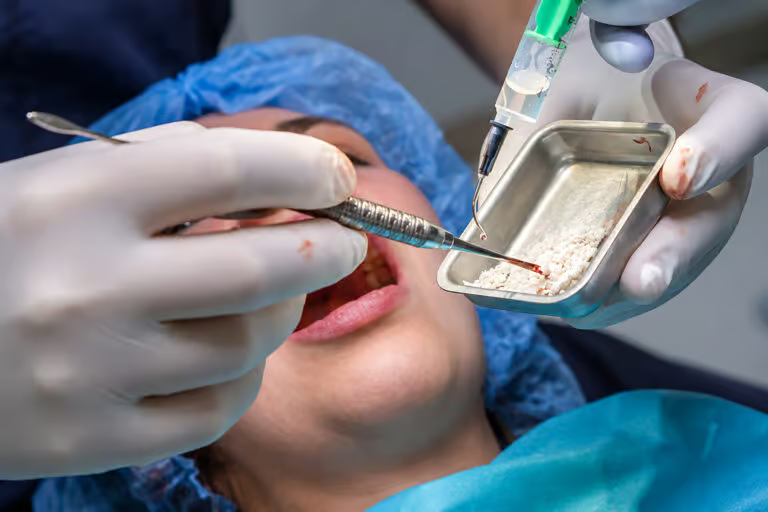
Nëse nuk ka mjaftueshëm kockë për të mbështetur një implant standard, specialisti duhet të vendosë nëse zona mund të rindërtohet. Transplant i kockës së nofullës mund të përdoret për të krijuar një bazë më të fortë para ose gjatë vendosjes së implantit.
Vendimi varet nga vendndodhja dhe sasia e kockës që mungon. Një defekt i vogël dhe humbja e rëndë e kockës së nofullës nuk kërkojnë të njëjtën qasje.
3. Nofulla e sipërme është afër sinusit
Rrënjët e dhëmbëve të pasëm të nofullës së sipërme ndodhen pranë sinusit maksilar. Pas humbjes së këtyre dhëmbëve, mund të ketë lartësi të kufizuar të kockës midis gojës dhe sinusit.
Një ngritja e sinuseve mund të rrisë sasinë e kockës së disponueshme në këtë zonë. Ky trajtim kërkon një vlerësim të kujdesshëm të sinusit, të kockës së mbetur dhe të pozicionit të planifikuar të implantit.
Jo çdo pacient me kockë të kufizuar në nofullën e sipërme ka nevojë për të njëjtën procedurë. Specialisti mund të rekomandojë një sinus lift, një pozicion tjetër të implantit ose një teknikë të avancuar implantologjike pas shqyrtimit të skanimit.
4. Keni Humbje të Rëndë të Kockës
Disa pacientëve u është thënë se implantet standarde nuk janë të mundura sepse kocka e nofullës së tyre është reduktuar ndjeshëm. Këto raste kërkojnë një specialist implantolog që i njeh alternativat ndaj vendosjes konvencionale të implanteve.
Implantet zigomatike përdorin kockën zigomatike për mbështetje kur ka humbje të rëndë të kockës në nofullën e sipërme. Implantet pterigoide, transnazale ose subperiostale mund të merren gjithashtu në konsideratë në raste të përzgjedhura.
Këto nuk janë implante rutinë. Ato kërkojnë planifikim të detajuar 3D, përvojë kirurgjikale të avancuar dhe një plan të qartë për dhëmbët përfundimtarë fiks.
5. Një Implant i Mëparshëm Ka Dështuar ose Po Shkakton Probleme
Një implant mund të zhvillojë probleme për shkak të infeksionit, humbjes së kockës, pozicionimit jo të duhur, presionit të tepërt të kafshimit ose mosintegrimit të sigurt me kockën. Një implant i lëvizshëm ose i dhimbshëm duhet të ekzaminohet, në vend që të mbulohet me një restaurim të ri.
Specialisti duhet së pari të identifikojë shkakun. Trajtimi mund të përfshijë kontrollin e infeksionit, heqjen e implantit, rindërtimin e indeve të humbura, rregullimin e kafshimit ose krijimin e një plani të ri trajtimi.
Zëvendësimi i një implanti të dështuar pa kuptuar pse ka dështuar mund të rrisë rrezikun e një problemi tjetër.
6. Implanti Nevojitet në një Zonë të Dukshme
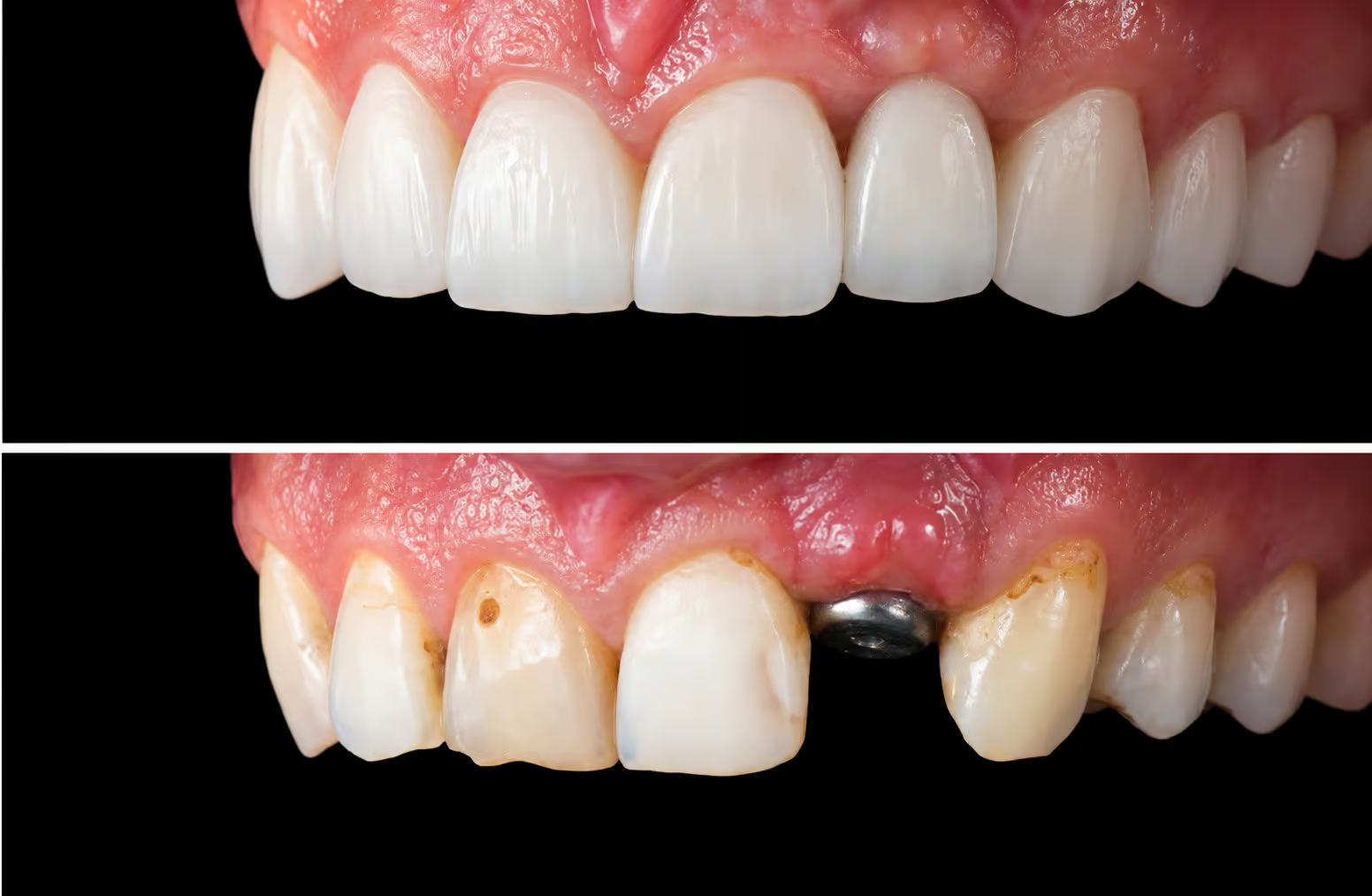
Zëvendësimi i një dhëmbi të përparmë kërkon kontroll të kujdesshëm të më shumë sesa vetë implantit. Pozicioni i vijës së mishrave të dhëmbëve, trashësia e mishit të dhëmbëve, kocka e disponueshme dhe forma e kurorës përfundimtare ndikojnë të gjitha në rezultat.
Nëse një implant vendoset shumë përpara, shumë thellë ose në kënd të gabuar, krijimi i një kurore me pamje natyrale mund të bëhet i vështirë. Një specialist i implanteve e planifikon kirurgjinë sipas pozicionit përfundimtar të dhëmbit.
Në disa raste, mund të nevojitet trajtim i mishrave të dhëmbëve ose i kockës për të mbështetur zonën. Qëllimi është të krijohet një rezultat i qëndrueshëm që gjithashtu përshtatet natyrshëm me dhëmbët përreth.
7. Po Merrni në Konsideratë Implantet me Ngarkesë të Menjëhershme
Ngarkesa e menjëhershme do të thotë që dhëmbët e përkohshëm mund të lidhen me implantet menjëherë pas operacionit. Kjo mund të zvogëlojë kohën që një pacient kalon pa dhëmbë fiks, por nuk është e përshtatshme për çdo rast.
Implantet duhet të kenë stabilitet fillestar të mjaftueshëm. Cilësia e kockës, pozicioni i implantit, presioni i kafshimit dhe dizajni i urës së përkohshme duhet të kontrollohen të gjitha.
Implantologjia me ngarkim të menjëhershëm prandaj duhet të planifikohet nga një ekip me përvojë si në kirurgji, ashtu edhe në restaurimet fikse. Dhëmbët përfundimtarë zakonisht realizohen pasi implantet dhe indet përreth të kenë përfunduar shërimin e nevojshëm.
8. Historia Juaj Mjekësore Mund të Ndikojë në Shërim
Disa gjendje shëndetësore dhe medikamente mund të ndikojnë në trajtimin me implante. Diabeti, sëmundja aktive e mishrave të dhëmbëve, pirja e duhanit, ilaçet holluese të gjakut dhe disa trajtime për sëmundjet e kockave mund të kërkojnë vlerësim shtesë.
Kjo nuk do të thotë gjithmonë se implantet janë të pamundura. Do të thotë që specialistit të implanteve mund t’i nevojiten informacione mjekësore, analiza të përditësuara ose komunikim me mjekun e pacientit përpara trajtimit.
Pacientët duhet të japin një listë të plotë të medikamenteve dhe gjendjeve shëndetësore. Informacioni i rëndësishëm nuk duhet të lihet kurrë jashtë konsultës.

Kujdes i Avancuar për Implantet në Virtus Dental Center
Virtus Dental Center ofron si trajtime konvencionale, ashtu edhe trajtime të avancuara me implante. Qasja e tij multidisiplinare lejon që nevojat kirurgjikale, periodontale dhe protetike të merren në konsideratë brenda një plani të vetëm trajtimi.
Shërbimet e disponueshme përfshijnë implante të vetme, restaurime të të gjithë harkut dentar, shtim kockor, ngritje të sinusit, ngarkim të menjëhershëm dhe zgjidhje të avancuara për humbje të rëndë kockore. Opsioni i rekomanduar zgjidhet vetëm pasi të jenë vlerësuar gjendja shëndetësore e pacientit, kocka, mishrat e dhëmbëve, kafshimi dhe objektivat e trajtimit.
Flisni me Ekipin e Implanteve 🦷✨
A ju kanë thënë se rasti juaj për implant është i vështirë, ose se nuk keni mjaftueshëm kockë? Kontaktoni Virtus Dental Center për një vlerësim individual dhe një shpjegim të qartë të opsioneve të disponueshme.
📞 Telefon dhe WhatsApp: +355 69 271 1166
📧 Email: info@virtus.al
🌐 Website: www.virtus.al
📍 Vendndodhja: Tiranë
Dërgoni radiografitë ose skanimet tuaja dentare më të fundit, nëse i keni, dhe hidhni hapin e parë drejt një plani trajtimi të krijuar për rastin tuaj. 😊



 Albanian
  English
  Italian
  French